
Family Nurse Practitioner Overview
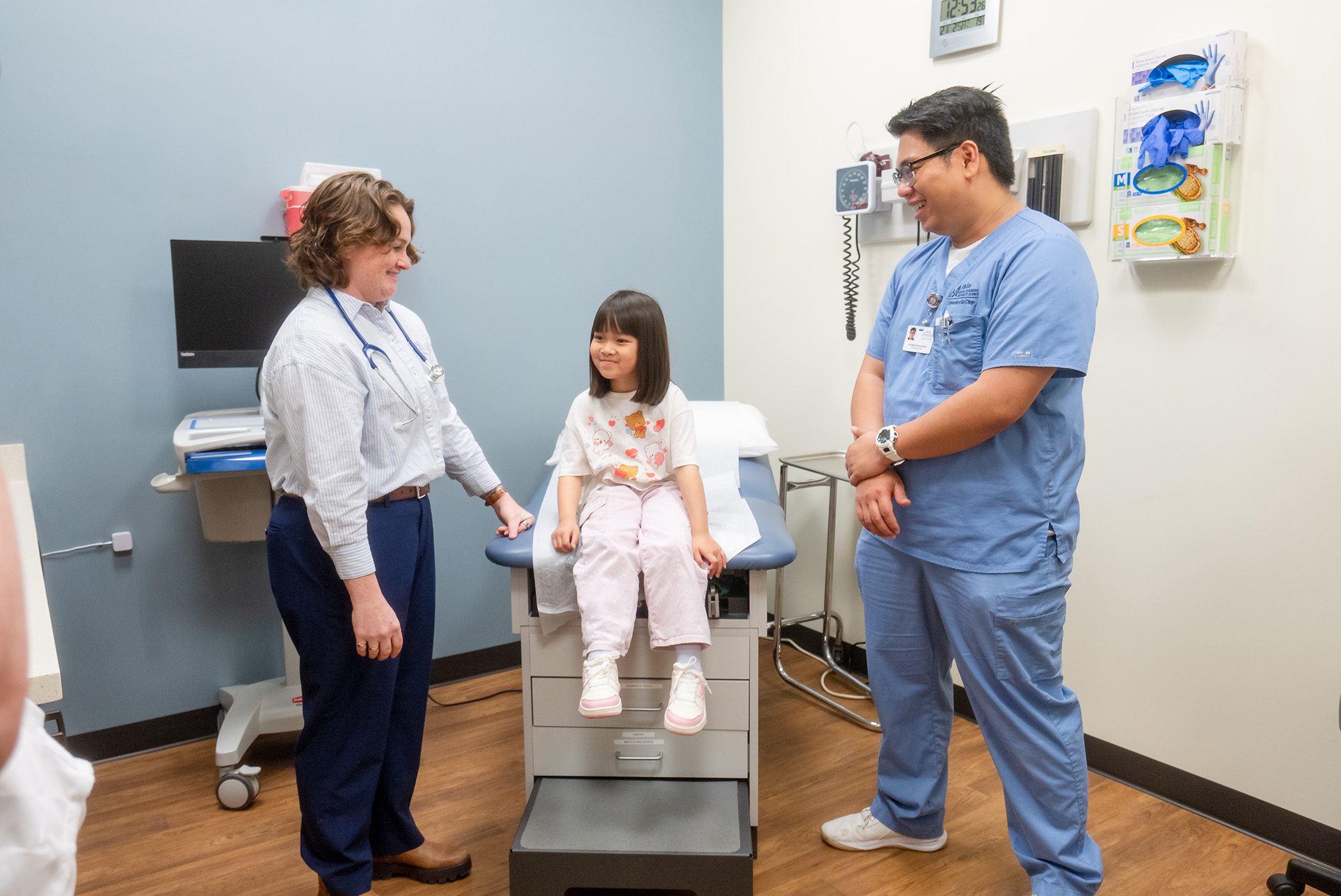
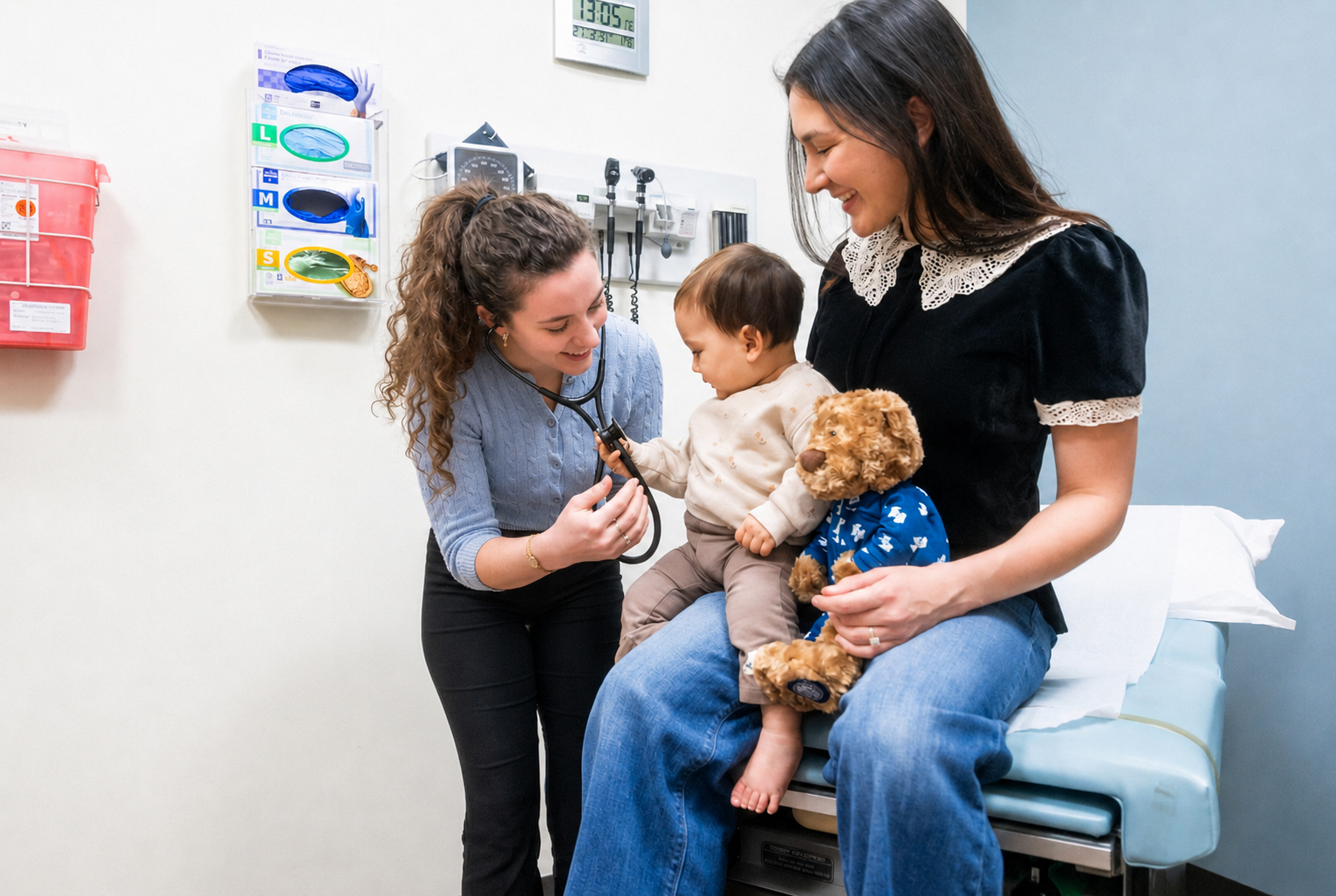
Family Nurse Practitioners provide comprehensive care across the lifespan, supporting individuals and families from infancy through older adulthood. The FNP track prepares nurses with advanced clinical knowledge and the skills needed to diagnose, manage, and coordinate care for a wide range of health concerns in primary care environments.
Program Outcomes
- Prepare for advanced clinical practice across diverse patient populations
- Strengthen assessment, diagnostic, and management skills in primary care
- Develop the ability to promote wellness and address complex health needs
Certification Eligibility
Graduates are eligible for national certification through:
- American Nurses Credentialing Center (ANCC) — FNP-BC
- American Academy of Nurse Practitioners (AANP) — FNP-C
Graduates may also pursue Nurse Practitioner certification in California.
Students with questions about the Family Nurse Practitioner specialty track are encouraged to schedule an appointment with Dr. Laura Truman, NP Program Director.
MSN FNP Curriculum
DNP FNP Curriculum
Helpful Links
Begin Your Journey
Questions about the application process? Our admissions team is here to support you every step of the way.
Meet Our Faculty
Get to know the dedicated nursing experts and leaders who will guide, support, and inspire your journey.
Fund Your Future
We’re here to help make your education affordable. Learn more about scholarships, grants, and payment plans.
FAQs
Frequently Asked Questions
The FNP track is a strong fit for nurses who are interested in primary care, value long-term patient relationships, and want to care for individuals and families across different stages of life. If you are motivated to expand your clinical decision-making skills and take on a more autonomous role in patient care, this specialty may align well with your goals. Prospective students are encouraged to connect with admissions or program leadership to discuss their background and career interests before applying.
Yes. While healthcare experience is valuable, applicants are not required to have worked specifically in primary care. The program is designed to build the clinical knowledge and skills needed for success in this setting.
Many students continue working while enrolled, depending on their schedule and program format. As coursework and clinical hours increase, students may need to adjust their work commitments to balance academic and clinical responsibilities.
Explore What's Next
Ready to Get Started?
We’re here to help you take the next step in your nursing career.