

Specialty Population of Interest
Oncology Care
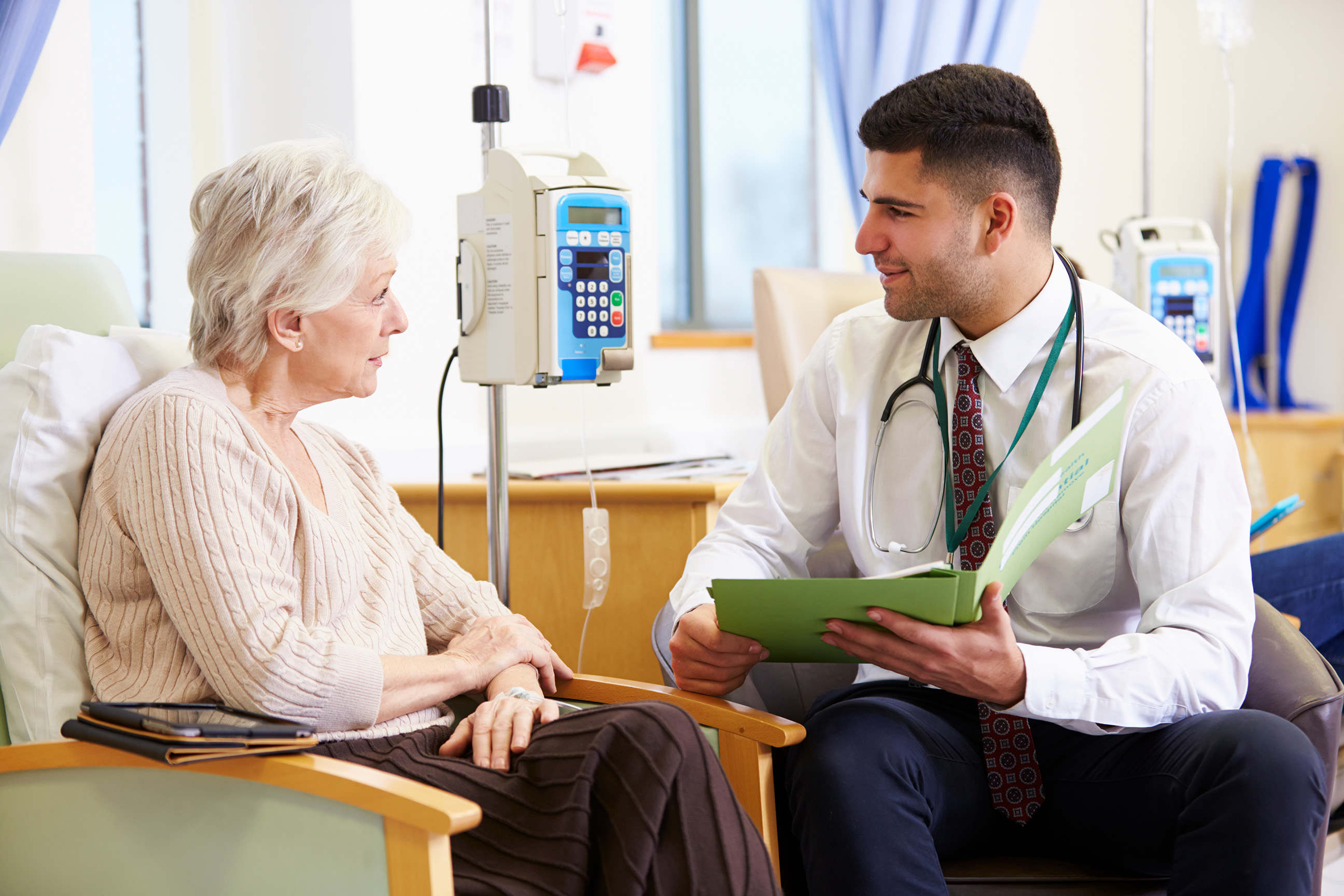
Oncology Care Clinical Nurse Specialists provide advanced clinical leadership across complex cancer care settings, supporting patients, families, and care teams through highly specialized, evolving treatment pathways. With deep expertise in oncologic disease processes, therapies, and symptom management, Oncology CNSs integrate evidence-based practice, clinical consultation, and systems-level improvement to enhance care quality and outcomes. Their role spans inpatient, outpatient, and ambulatory environments, positioning them to influence practice standards, care coordination, and organizational approaches to cancer care delivery.
Role and Areas of Impact
Oncology Care Clinical Nurse Specialists address complex cancer care by:
- Supporting evidence-based oncology practices across medical, surgical, radiation, and hematologic care settings
- Consulting on complex clinical situations involving symptom management, treatment complications, and high-risk patient populations
- Educating and mentoring nursing and interdisciplinary teams on oncology-specific therapies, technologies, and care standards
- Leading quality improvement, safety, and outcomes initiatives related to cancer care delivery and patient experience
- Advancing care coordination across inpatient units, infusion centers, ambulatory clinics, and specialty oncology services
This role integrates advanced clinical expertise with systems leadership to improve outcomes for individuals and populations affected by cancer and to strengthen oncology care delivery across healthcare settings.
Questions about this population of interest or the Clinical Nurse Specialist program? Contact the CNS Program Director, Dr. Sheree Scott, to schedule a conversation.
Program Pathway and Application Information
Within the Clinical Nurse Specialist (CNS) pathway, students may focus on specialty populations such as Oncology Care while pursuing one of the following degrees: Master of Science in Nursing (MSN), Doctor of Nursing Practice (DNP), or Doctor of Philosophy (PhD).
Applicants pursuing the MSN degree apply to the Adult-Gerontology Clinical Nurse Specialist (AGCNS) program. After admission, students select Oncology Care as their specialty population of interest within the CNS pathway.
Applicants pursuing the DNP degree apply to the Doctor of Nursing Practice – Clinical Nurse Specialist (DNP-CNS) program. After admission, students align their doctoral studies with the CNS pathway and select Oncology Care as their specialty population of interest.
Applicants pursuing the PhD degree apply to the Doctor of Philosophy in Nursing – Clinical Nurse Specialist (PhD-CNS) program. After admission, students develop an individualized plan of study aligned with the CNS pathway, incorporating Oncology Care as their specialty population of interest.
FAQs
Frequently Asked Questions
Nurses with experience in medical-surgical nursing, critical care, ambulatory care, or related specialties often find that this population aligns well with their background. The focus is on building advanced practice and systems expertise applicable to cancer care.
Oncology Care Clinical Nurse Specialists practice in a wide range of settings, including inpatient oncology units, infusion centers, ambulatory clinics, and specialty cancer programs. Their role allows them to work across settings and support coordinated, high-quality cancer care throughout the healthcare system.
Yes. Preparation in this population supports roles that extend beyond bedside care, including clinical education, quality improvement, program development, and leadership positions within cancer care services and health systems.
Explore What's Next
Ready to Get Started?
We’re here to help you take the next step in your nursing career.