
Specialty Population of Interest
Emergency and Trauma Care Overview
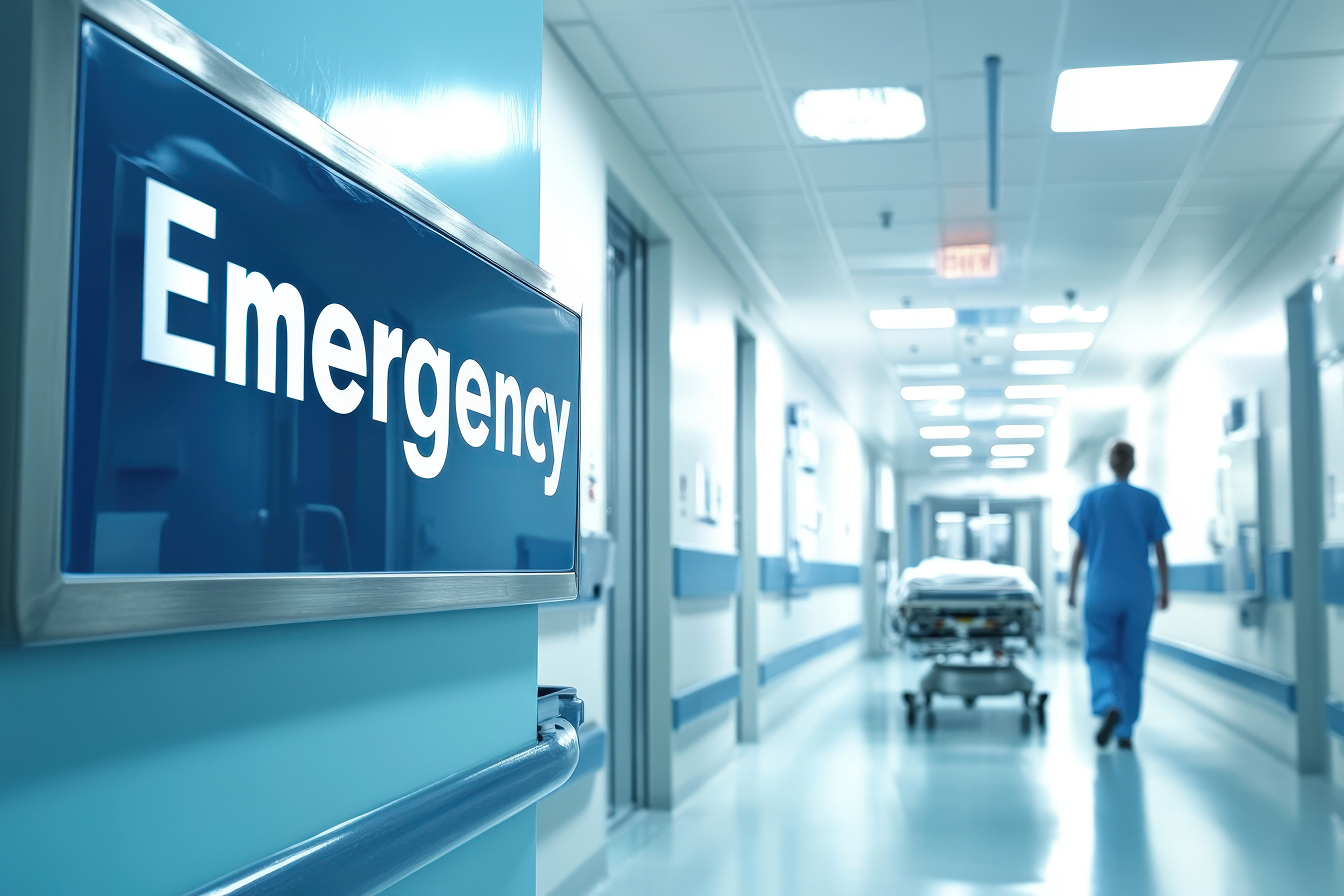
Emergency and Trauma Care centers on advanced practice within high-acuity environments where rapid assessment, coordinated response, and evidence-based intervention are vital to patient outcomes. Clinical Nurse Specialists in this population develop expert clinical judgment and leadership to influence care across emergency departments, trauma systems, and acute care settings. Through a curriculum grounded in evidence-based practice, interdisciplinary collaboration, and systems-level improvement, students prepare to enhance quality, safety, and resilience in patient care for those facing sudden, life-threatening illness or injury.
Role and Areas of Impact
Emergency and Trauma Clinical Nurse Specialists address high-acuity, time-sensitive care by:
- Supporting evidence-based emergency and trauma care practices
- Consulting on complex, undifferentiated, and rapidly evolving clinical situations
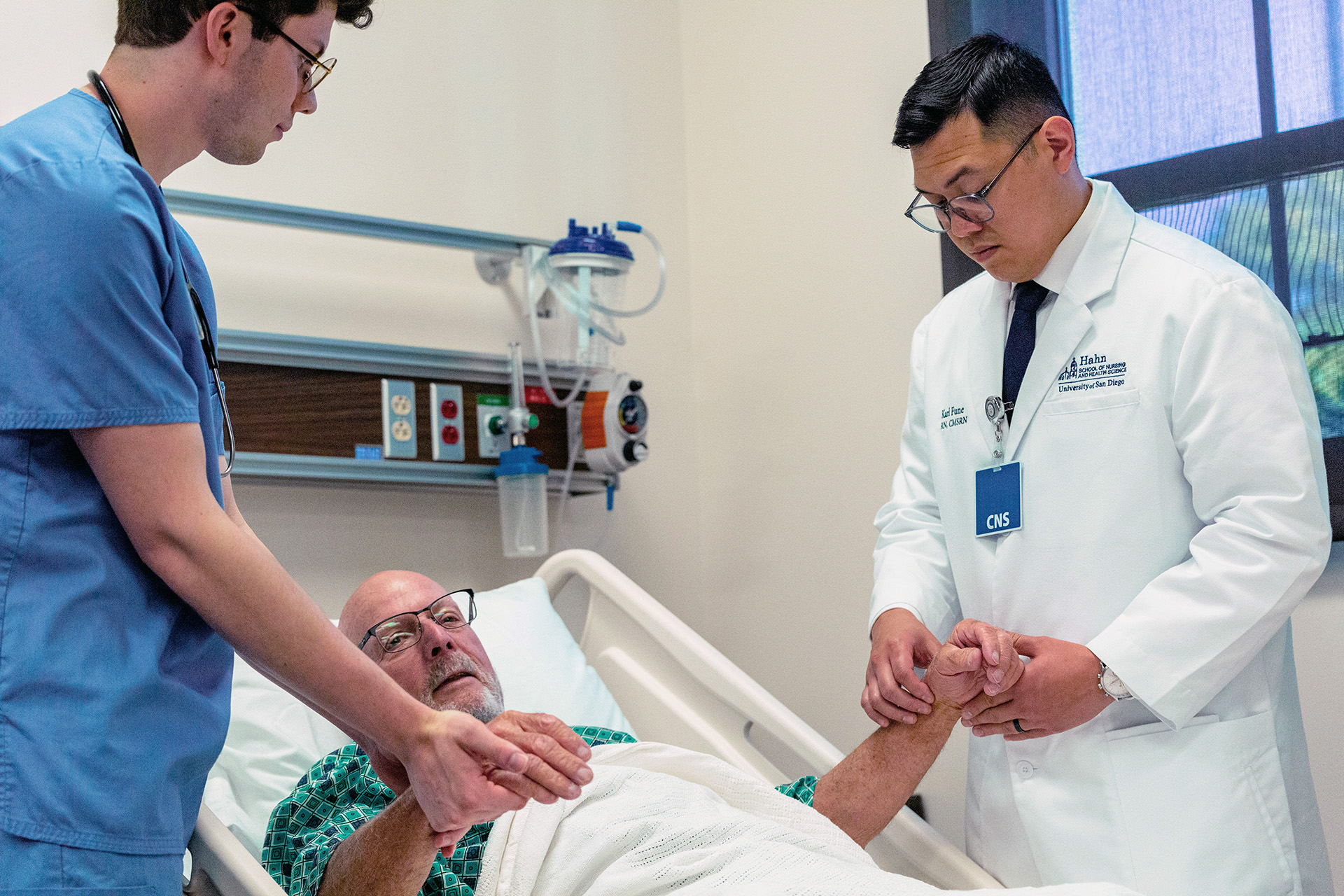
- Educating and mentoring nursing and interdisciplinary teams in emergency and trauma settings
- Leading quality and safety initiatives related to emergency response, trauma care, and patient flow
- Improving care coordination across emergency departments, trauma systems, and acute care transitions
This role integrates advanced clinical expertise with systems leadership to improve outcomes for patients experiencing sudden, life-threatening illness or injury.
Questions about the Emergency and Trauma Care population of interest or the Clinical Nurse Specialist pathway may be directed to the CNS Program Director, Dr. Sheree Scott.
Program Pathway and Application Information
Within the Clinical Nurse Specialist (CNS) pathway, students may focus on specialty populations such as Emergency and Trauma Care while pursuing one of the following degrees: Master of Science in Nursing (MSN), Doctor of Nursing Practice (DNP), or Doctor of Philosophy (PhD).
Applicants pursuing the MSN degree apply to the Adult-Gerontology Clinical Nurse Specialist (AGCNS) program. After admission, students select Emergency and Trauma Care as their specialty population of interest within the CNS pathway.
Applicants pursuing the DNP degree apply to the Doctor of Nursing Practice – Clinical Nurse Specialist (DNP-CNS) program. After admission, students align their doctoral studies with the CNS pathway and select Emergency and Trauma Care as their specialty population of interest.
Applicants pursuing the PhD degree apply to the Doctor of Philosophy in Nursing – Clinical Nurse Specialist (PhD-CNS) program. After admission, students develop an individualized plan of study aligned with the CNS pathway, incorporating Emergency and Trauma Care as their specialty population of interest.
FAQs
Frequently Asked Questions
Yes. While emergency departments and trauma centers are core settings, this population also supports roles that influence trauma systems, pre-hospital coordination, observation units, urgent care models, and transitions across acute care settings. The focus is on system-wide impact, not a single unit.
Applicants typically have clinical experience in emergency, trauma, or other high-acuity settings; however, experience may come from a range of acute care environments. Applicants are encouraged to discuss their background and professional goals with the CNS Program Director to determine fit.
Emergency and Trauma CNSs are well-positioned to lead initiatives focused on patient flow, clinical readiness, protocol development, and performance improvement in fast-paced environments. Graduates often influence care delivery through education, consultation, and systems-level change.

Explore What's Next
Ready to Get Started?
We’re here to help you take the next step in your nursing career.