
CPPC Administrative Director, Marcus Friedman ’21 (JD) Quoted in The San Diego Union Tribune
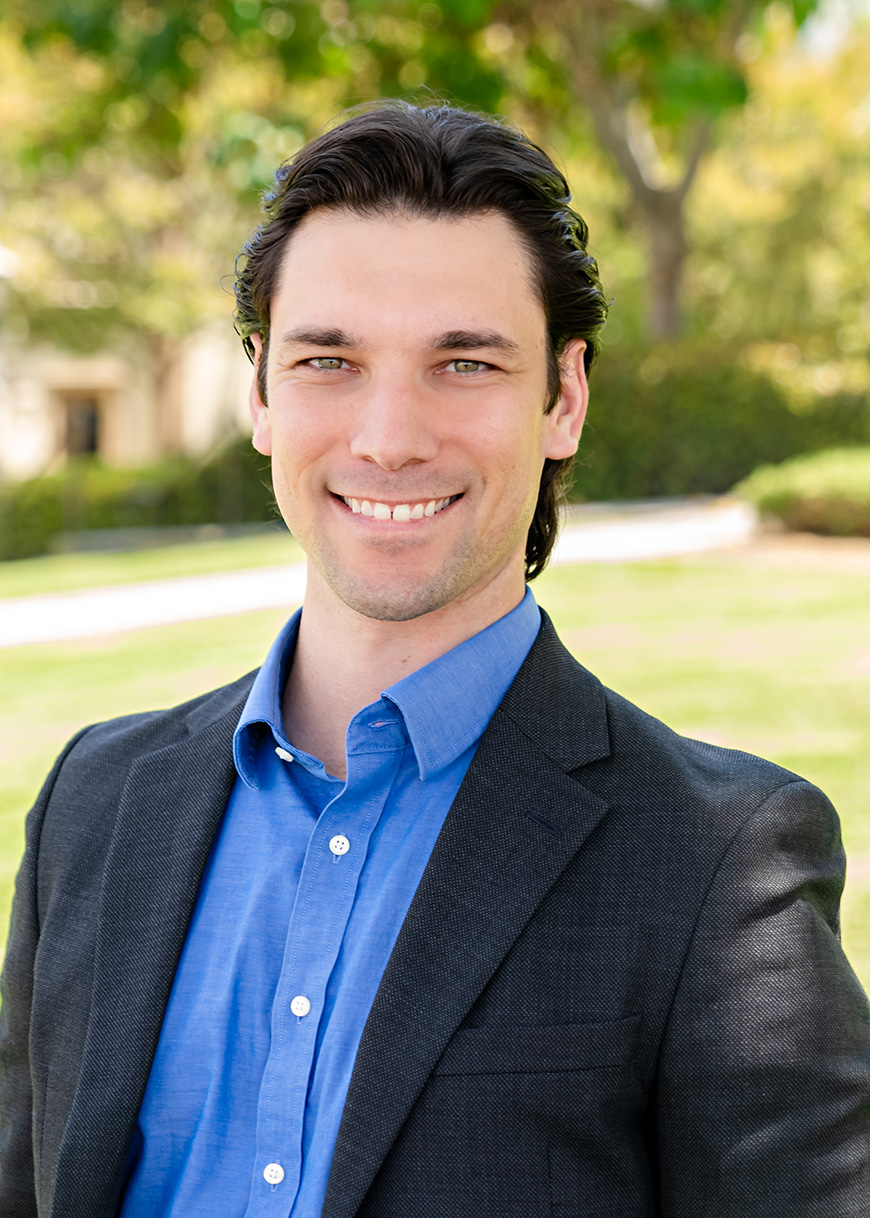
SAN DIEGO (May 5, 2025) – The University of San Diego (USD) School of Law Consumer Protection Policy Center’s (CPPC) Administrative Director Marcus Friedman was quoted in The San Diego Union Tribune in an article titled, “Should doctors with addictions be allowed to get confidential treatment?” The article highlights both arguments in support and opposition to a bill currently moving through the California Legislature, AB 408 (Berman).
According to the article, AB 408 directs the Medical Board to contract with an external nonprofit to establish a “Physician Health and Wellness Program,” designed to provide treatment for substance use and mental health conditions to doctors and other allied medical professionals under the board’s jurisdiction whose ability to practice may be impacted. Supporters, including many medical organizations, argue that the program could prevent impairment-related incidents by offering confidentiality to voluntarily enrolled doctors.
Opponents, such as Consumer Watchdog and CPPC, argue that the program lacks transparency and could allow impaired doctors to continue practicing undetected. They cite past failures of a similar diversion program and claim existing private treatment options already offer confidential support without state involvement. Critics also question the program’s potential effectiveness, noting that few doctors use such programs in other states.
“We’re talking about far less than 1% of the total licensee population when it comes to this type of program,” Friedman said. The need for confidential treatment, he added, is one that is already being met. “Doctors that do have substance use disorder, they already have various different types of treatment available that they can voluntarily go to within California,” he said. “In fact, if they do voluntarily go into those programs, the medical board doesn’t know, so it is confidential from the medical board itself.
“There are no reporting requirements for existing treatment centers.”
The bill has passed two committees and is scheduled for another hearing on May 14.
CPPC submitted testimony to the Assembly Committee on Business and Professions in opposition to AB 408 (Berman), the Physician and Surgeon Health and Wellness Program (PHWP). CPPC has urged the Legislature to reject the proposed PHWP legislation and instead encourage MBC to focus on matters that truly and appropriately concern the legitimate regulatory functions of MBC.
CPPC cannot stress enough that MBC’s obligations are to the protection of patients and the public. Time and resources dedicated to a physician rehabilitation program would be designed to benefit physicians first, with the protection of the public only being an auxiliary side-effect if the program is more successful than other states’ programs.
To learn more about CPPC’s work in patient protection visit our website.
About Consumer Protection Policy Center
Founded in 1980, the University of San Diego School of Law’s Consumer Protection Policy Center (CPPC) at the Centers for Public Interest Law (CPIL) serves as an academic center of research and advocacy in regulatory and public interest law. CPPC focuses its efforts on the study of an extremely powerful, yet often overlooked, level of government: state regulatory agencies. Under the supervision of experienced public interest attorneys and advocates, CPPC law student interns study California agencies that regulate business, professions, and trades.
CPPC publishes the California Regulatory Law Reporter, a unique legal journal that covers the activities and decisions of over 13 major California regulatory agencies.
In addition to its academic program, CPPC has an advocacy component. Center faculty, professional staff, and interns represent the interests of the unorganized and underrepresented in California’s legislature, courts, and regulatory agencies. CPPC attempts to make the regulatory functions of California government more efficient and visible by serving as a public monitor of state regulatory activity. The Center has been particularly active in reforming the state’s professional discipline systems for attorneys and physicians, and in advocating public interest reforms to the state’s open meetings and public records statutes.
About the University of San Diego School of Law
Each year, USD educates approximately 800 Juris Doctor and graduate law students from throughout the United States and around the world. The law school is best known for its offerings in the areas of business and corporate law, constitutional law, intellectual property, international and comparative law, public interest law and taxation.
USD School of Law is one of the 88 law schools elected to the Order of the Coif, a national honor society for law school graduates. The law school’s faculty is a strong group of outstanding scholars and teachers with national and international reputations and currently ranks 34th nationally among U.S. law faculties in scholarly impact and 37th nationally in past-year faculty downloads on the Social Sciences Research Network (SSRN). The school is accredited by the American Bar Association and is a member of the Association of American Law Schools. Founded in 1954, the law school is part of the University of San Diego, a private, independent, Roman Catholic university chartered in 1949.