
Influencer Marketing: How Self-Made Entrepreneurs Are Revolutionizing the Advertising Industry
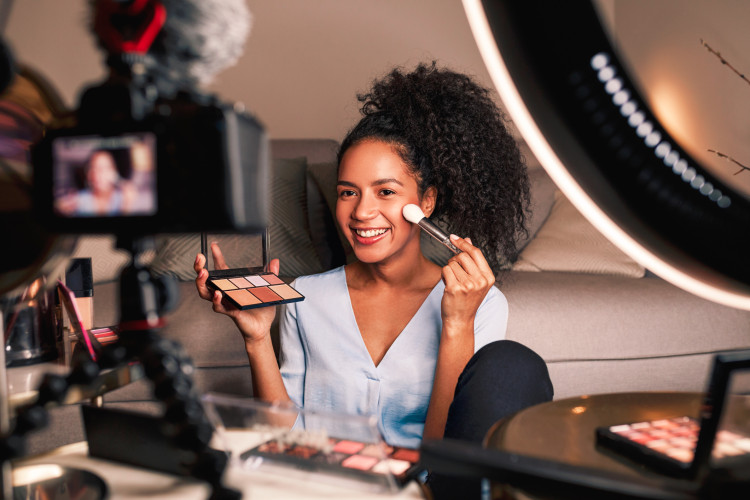
The term “influencer” has garnered a lot of attention in recent years — and for good reason. Business Insider Intelligence projects influencer marketing will be worth more than $15 billion by 2022. This past year alone, influencers raked in unprecedented revenue, with the top three most successful influencers — beauty mogul Kylie Jenner, pop star Ariana Grande and soccer legend Cristiano Ronaldo — earning $1 million per Instagram post.
But what exactly is influencer marketing? How does it work? And how is it revolutionizing the advertising industry?
The Rise of Influencer Marketing
Influencers are individuals who post promotional content to their social media accounts in exchange for monetary or in-kind compensation, such as trips, services and products. By definition, influencers can inspire their followers to take action, and this immense value to brands has been the driving force behind influencer marketing’s growth. In an era where consumers are growing more and more skeptical of traditional advertising, influencers provide the personalization and authenticity that audiences crave.
But this wasn’t always the case. In the early days of social media, influencers were a small, relatively unknown group. As social platforms such as Facebook, Twitter and Instagram gained popularity, influencer marketing started to grow. Today, 75% of advertisers report working with influencers, and 43% of those same companies expect to increase their spending on influencers in 2020, according to a study by Influencer Marketing Hub. To capitalize on this rapidly growing industry, nearly 1,300 influencer-specific creative agencies currently exist.
Understanding the Impact of Influencers
In response to influencer marketing’s rapid rise, marketing and advertising researchers began investigating it. Over the last few years, researchers have published dozens of papers on the nuances of influencer marketing, but little research has been done on the industry’s potential benefits — until now.
Dr. Colin Campbell and Dr. Justine Rapp Farrell, professors of marketing at the University of San Diego Knauss School of Business, have taken an innovative approach to influencer research. Focusing on how to harness influencer marketing’s power, their research explores how influencers work, why they work and how brands can optimize this practice.
Scales of Influence
“[Influencer marketing] isn’t just about the Kim Kardashians of the world,” Dr. Campbell says. “Smaller influencers might be able to sell your product in a way that is much more powerful.” Historically, the marketing industry has based influencer status on the assumption that more followers equates to greater return on investment. As Dr. Campbell and Dr. Farrell discovered, however, that isn’t always the case — there are scales of influence. In fact, influencers with relatively few followers often have higher engagement and conversion rates than those who have massive audiences. Marketers must understand how to engage the five different scales of influencers that Dr. Campbell and Dr. Farrell identified in their research.
CelebrityCelebrity influencers enjoy public recognition outside of social media and, in many cases, were household names prior to their social media careers. They typically have over 1 million followers and charge large fees (often between $500,000 and $1 million) for their participation in major endorsement deals with well-known brands. Some prominent celebrity influencers include Kim Kardashian, Paris Hilton and Selena Gomez.
MegaSimilar to celebrity influencers, mega influencers are widely recognized across social media and have over 1 million followers. The main difference is that mega influencers garnered their status through social media specifically and are typically not well known outside of their social media followings.
MacroMacro influencers have been extremely successful within the influencer marketing industry. They typically make a career out of their social media presence, sharing sponsored posts with between 100,000 and 1 million followers.
MicroWith between 10,000 and 100,000 followers, micro influencers are smaller in scale and scope than their macro counterparts, making brand sponsorships less common for those in this category. However, micro influencers can still make a living through social media, generating income primarily through affiliate link programs.
NanoNano influencers are at the beginning of their influencer careers. Their followers consist primarily of friends, acquaintances and people within a close geographic proximity. Nano influencers have fewer than 10,000 followers, but Dr. Campbell and Dr. Farrell’s research found that the intimate nature of nano influencers’ social circles often generates the highest engagement rates of all influencer categories.
Influencer Roles
Through their research, Dr. Campbell and Dr. Farrell also identified three influencer roles: audience, endorser and social media manager. Each specialty serves a distinct function and creates unique benefits that have helped push influencers to the forefront of the marketing industry.
AudienceInfluencers have an unparalleled ability to attract a highly targeted, engaged and self-selected audience. Because social media users choose to follow accounts that interest them, brands that build marketing and advertising campaigns around relevant influencers can reach their desired audiences relatively easily. Offering benefits in organic reach, audience targeting and increased attention, an influencer’s audience is a highly valuable marketing asset.
EndorserThrough product promotion and brand partnerships, influencers can be persuasive endorsers. Some enjoy power and influence due to their celebrity status, while others promote brands within a particular area of interest, such as cosmetics, fashion or food, developing reputations as experts over time. Influencers can also endorse products as fellow consumers, which can be a powerful form of word-of-mouth promotion.
Social Media ManagerWhile most influencers work independently, managing their social media presence as solo entrepreneurs, some take on more formal roles in their collaborations with brands. Influencers’ hands-on experience prepares them for positions as social media managers who create content, develop social media strategy and manage community interactions. While some influencers leave their personal social media careers to work in-house for brands, many maintain dual careers, simultaneously running their personal influencer accounts and working as social media managers for outside companies.
The Power of Influencers
While they may vary dramatically in scale and role, all influencers have the potential to wield marketing power. By leveraging their audience insight, creative expertise and social media management experience, they can generate undeniable results.
According to Dr. Campbell and Dr. Farrell, influencers’ power comes from their ability to provide end-to-end service. Many influencers are accustomed to managing every facet of a brand, from overseeing budgets to developing creative campaigns and engaging with the public. “Influencers are like a mini digital agency,” Dr. Campbell says. “They provide a valuable and efficient alternative to traditional marketing teams.”
While much of this value is rooted in the well of expertise influencers bring to their work, Dr. Campbell and Dr. Farrell also found that influencers tend to offer extremely high return on investment, particularly when compared with the cost of traditional ad spends. On top of that, influencers are adept at fostering relationships and encouraging personal engagement with consumers — skills that are vital to any brand’s success in today’s digitally driven business landscape.
The Future of Influencer Marketing
As long as social media continues to gain in popularity, influencers will continue to play an important role in successful marketing campaigns. According to Hootsuite, 3.48 billion people around the world use social media, and nearly 1 million new users join social media networks every day. Brands that are reluctant to implement influencer marketing leave this massive revenue stream untapped. But those that embrace it and learn to harness its power might just find themselves ahead of the pack. “Influencer marketing is a newer, neater kind of marketing to add to your portfolio,” Dr. Farrell says. “There’s an authenticity to it, and in today’s world, that can be really powerful.”
Explore the World of Digital Marketing
The University of San Diego Knauss School of Business is home to faculty who are leaders in the digital marketing field. Associate Professor of Marketing Dr. Justine Rapp Farrell is an expert in consumer behavior. Her research focuses on the marketing implications of public policy on underrepresented groups. In addition, Dr. Farrell teaches courses on everything from search engine marketing to website design, integrating real-world, client-based interactions into all learning initiatives.
Assistant Professor of Marketing Dr. Colin Campbell brings a wealth of digital marketing expertise to his work. His research focuses on how innovative technology impacts marketing, exploring digital and social media marketing with a particular focus on influencer and native advertising. Learn more about the University of San Diego Knauss School of Business and its innovative approach to business education.
Research by Professor Farrell and Colin Campbell has also been featured in:
Strategy and Business, "Make the Most of Your Influencers"
Sources
Fast Company, “What Digital Success Looks Like Without All Those Instagram Likes”
Forbes, “Micro Versus Macro Influencers: Can a Filip Tysander Beat a Kylie Jenner?”
Hootsuite, “130+ Social Media Statistics That Matter to Marketers in 2019”
The New York Times, “Don’t Scoff at Influencers. They’re Taking Over the World.”
NPR, “'The New Celebrity': The Rise Of Influencers — And How They Changed Advertising”
University of San Diego, Colin Campbell
University of San Diego, Justine Rapp Farrell
 Colin Campbell is an assistant professor of marketing whose research focuses on the innovations and resulting challenges that the internet presents for marketers. He is an expert in online and social media marketing, having published on topics such as video advertising in online environments, influencers, deal collectives, deepfakes and instagrammability.