

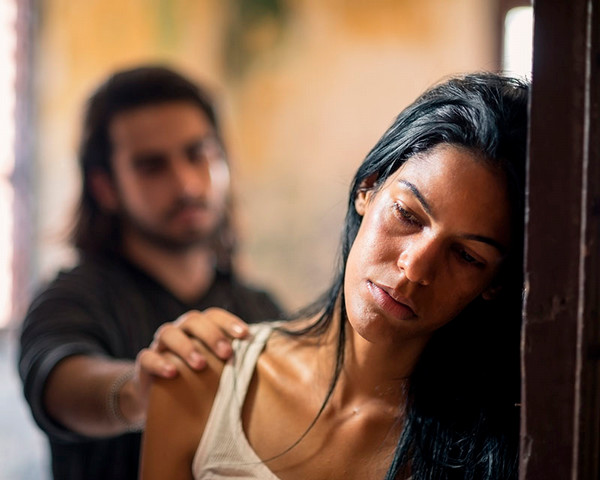

USD peace studies professor discovers chilling effects of gangs on sex trafficking
Meet Ami Carpenter, PhD, who is an Associate Professor of Peace Studies & Conflict Resolution. Prof. Carpenter recently published a paper in Journal of Human Trafficking on the effect of gang organization on sex trafficking. Let’s take a few minutes to learn more about Prof. Carpenter and her fascinating research.
How would you describe your recently published research to a 5 year old?
Have you ever seen a bully at school? A group of bullies is called a "gang". I study how gangs trick and hurt kids and even some adults, and how we can prevent kids from getting hurt. Some gangs are big and hang out all the time; other gangs are smaller and don't hang out as much. I learned that the big gangs who stick together are tricking and hurting lots of girls and boys, while the smaller ones mostly just pick on one or two kids. Because of this, I think the police should focus on finding the big gangs and that people in the community should talk more with the smaller gangs. Most important, when we study this problem in school and learn how to treat each other with kindness and respect, we can prevent kids from becoming bullies to begin with.
How did you get interested in this topic?
In a previous study, I mapped the gang territories in San Diego and overlaid violent crimes to see which types were most prevalent in each territory. I noticed that human trafficking arrests were clustered in an area of San Diego city called El Cajon Blvd., which was not in ANY gang territory. It turns out that El Cajon Blvd, or "the Blade" in street vernacular, was treated as a neutral zone by gangs in San Diego, a free area where girls and women (and boys) were being prostituted. Now, most of that activity has moved indoors, to hotels and residences so it's harder to see. But I wanted to know the scope of the problem - actually, the District Attorney Summer Stephan suggested the research topic to me. She told me that without 'real numbers' it was difficult to get resources to fight human trafficking. So, I took up the challenge and studied the scope and nature of gang involved sex trafficking in the border region.
What's one challenge you faced in this research? How did you overcome it?
The biggest challenge I faced during this research was coming home from a research trip in Iraq with PTSD. My thoughts became jumbled, my writing became disorganized. I have over 70 versions of this same article, because I would head down different rabbit holes all the time only to end up confused about the direction I'd chosen. PTSD causes pretty severe deficits in attention, coherence of thought and speech, and all of this affected my writing. In fact, this article should have been finished three years ago. I overcame these challenges as I healed; and as I healed, I realized that the study had simply generated too much information to be packed into a single article. So I had to leave out a great deal of interesting information in order to generate a coherent article. The silver lining is that I can use the same data to generate more research articles down the line!
What did you enjoy most about working on this project? Why?
I genuinely enjoyed the opportunity to speak with trafficking facilitators. There is so much we don't know about how people end up working as a trafficker, and there are many different types of traffickers. The most dangerous ones tended to be involved in large scale trafficking operations in concert with organized crime. But there were many who acted in ways that were less coercive than others, and referred to themselves as "bodyguards" or "protectors". Their life stories had some sad parallels, including having been recruited by older gang members to work as traffickers at ages as young as 8. Seeing each individual as a human being and showing genuine curiosity about their life experiences elicited an mutually appreciative dynamic between us that was very memorable. I also enjoyed working with such a multidisciplinary team of researchers. Everyone brought something valuable to the table. Integrating all of that knowledge - now that was a challenge.
What impact do you envision this work will have on society?
Criminal justice approaches are ineffective by themselves in reducing the scale of gang involved human trafficking. This article argues that arrests and prosecutions should target the organized criminal element in human trafficking - which represents 1/3 of the sex trafficking in San Diego County - and use targeted early intervention and education projects for the majority (2/3) of disorganized and entrepreneurial trafficking. The latter types of interventions need more funding.
What are you working on now?
I have been helping to organize the San Diego Human Trafficking and CSEC Summit taking place in January 2025. Our goal is to identify gaps in anti-trafficking infrastructure (laws, policies, resources, or research), prioritize them, and present them to the County Board of Supervisors for action. It's a collaborative and multifaceted effort that I'm very proud to have been involved in. And the best part is that I've been able to involve USD students as facilitators in the breakout sessions!
Anything else you want to share?
USD students need training about human trafficking. A recent study, which included USD among other area campuses, found that 1 in 5 students had been exploited for sex or labor. I would love to see a prevention-focused training during orientation for our incoming freshman about how to spot red flags and indicators of exploitation, particularly as it happens online. So look for more from me on that goal. :)
We look forward to hearing more from Prof. Carpenter!