A picture of the sea and the sky

MS Research Mentors

The Master of Science in Environmental and Ocean Sciences program at USD provides students with opportunities to collaborate with and learn from professionals across varied disciplines and organizations. Prospective students should familiarize themselves with potential mentors' research/publications by reviewing the biographies of faculty in the Department of Environmental and Ocean Sciences and Graduate Program Affiliates listed below. Prospective students should contact one or more of the potential mentors about conducting research under their supervision before submitting an application.
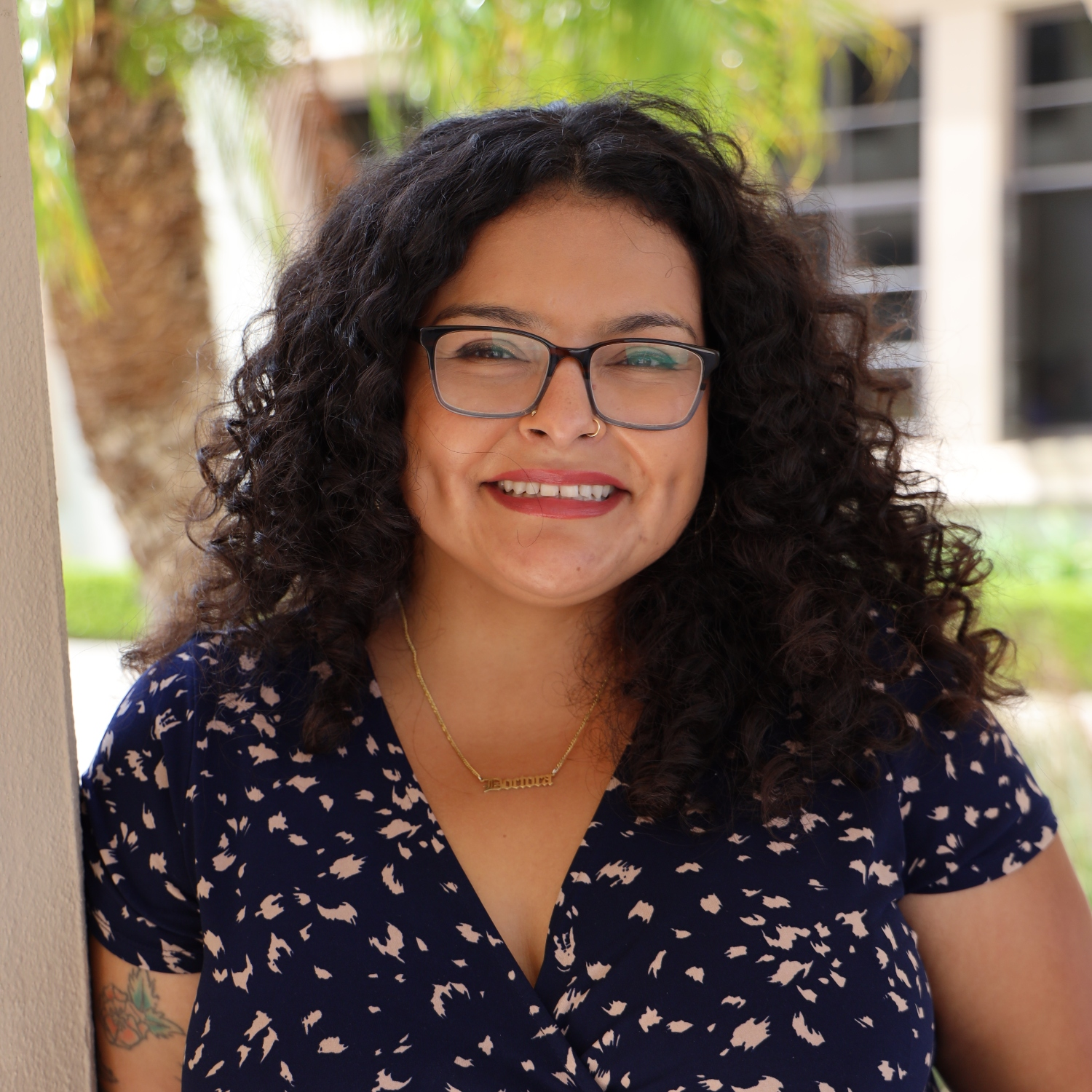
Claudia Avila, PhD

University of San Diego Faculty

Claudia Avila, PhD

Assistant Professor, Department of Environmental and Ocean Sciences

Postdoctoral Fellow, Doerr School of Sustainability Stanford University, Earth System Science
PhD, University of California Riverside, Environmental Sciences
BS, University of California Riverside, Environmental Sciences
AS (with Distinction), Riverside City College, Math and Science
AA (with Distinction), Riverside City College, Social and Behavioral Studies

Claudia Avila, PhD, is a soil biogeochemist investigating carbon dynamics and metal transformations within native and agricultural soils. Claudia is an interdisciplinary researcher guided by environmental justice issues and a passionate teacher. Her research focuses on soils as a resource and the fundamental biogeochemical processes controlling a soil's ability to store carbon and/or release naturally occurring contaminants. She hopes to inspire students to pursue environmental science careers and causes. She teaches EOSC 175 (Sustainability and Climate Change) and EOSC 300 (Environmental Issues) as well as a Soils and Society course. Claudia is building her XingonxDirtSci Lab and welcomes undergraduate researchers looking for lab experience. Please note that the USD EOS department does not have a PhD program.

Soils are arguably one of the most important yet overlooked resources on Earth. Soils are living, dynamic bodies of inorganic and organic components that filter water, provide medium for crop and vegetative growth, are used as engineering medium, and are necessary for a functioning ecosystem and society. The components of soil (carbon + metals) are impacted by human activity.

Although Claudia uses soil biogeochemistry as a tool, her central research focus is environmental justice and aims to build community around identifying and resolving issues at the intersection of people and environment and to understand the role that soils play in society.

Email: cavila@sandiego.edu

University of San Diego Faculty

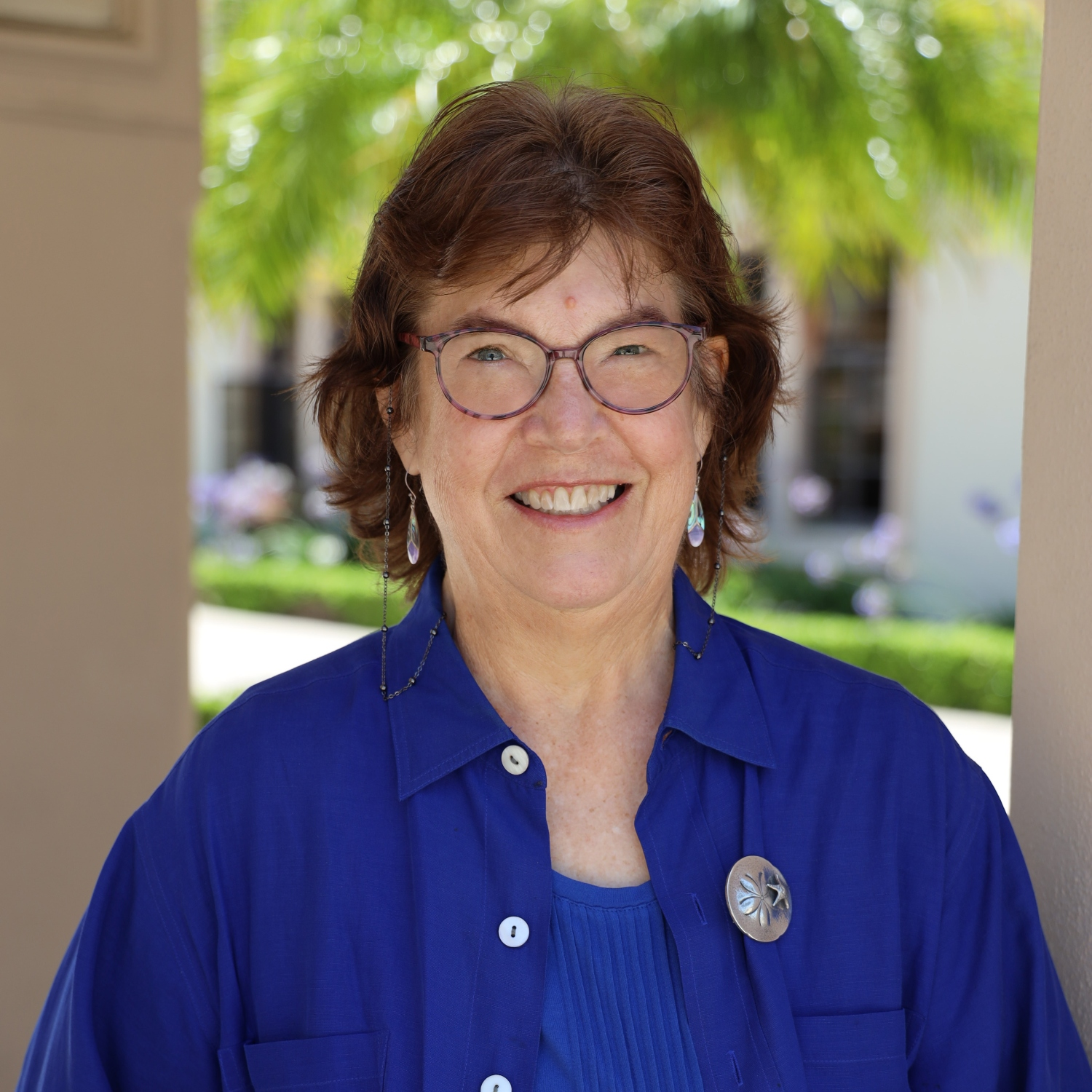
Michel Boudrias, PhD

Associate Professor, Department of Environmental and Ocean Sciences

PhD, Scripps Institution of Oceanography University of California San Diego, Oceanography
MS, Oregon State University, Biological Oceanography
BS, McGill University, Marine Biology

Michel A. Boudrias, PhD, has been on the faculty since 1996 and is currently chair of the University's Sustainability Task Force. Boudrias teaches classes that cover a wide range of topics from introductory marine biology to interdisciplinary coastal environmental science to classical invertebrate zoology. He has taught Honors courses that combine traditional classroom concepts with intense field experiences. His research projects include long-term interdisciplinary projects combining marine ecology and marine chemistry in Baja California Sur and an integrated project studying the social, cultural and environmental impacts of tourism in Jamaica.

Boudrias has active research projects in two distinct fields: functional morphology of swimming in invertebrates and impacts of humans on shallow-water tropical beach communities. He is considered a world expert in crustacean swimming combining classical morphological analysis with state-of-the-art fluid dynamic techniques. He has published several articles on the design of crustacean bodies and swimming limbs and is currently writing a book chapter dedicated to crustacean functional morphology.

For the past decade, Boudrias has been studying the effects of pollution on the water quality and marine ecology of sandy beaches in Baja California Sur, Mexico. His multidisciplinary team has studied heavy metal impacts, nutrient loading, long-term ecological change and the effects of stingray feeding. Five students have completed Master’s theses based on their work in Mexico. He has recently begun a more complex multidisciplinary project studying the impacts of increased tourism on coral reefs, economics, and social issues in Jamaica.

Email: boum@sandiego.edu

Graduate Program Affiliate

Ann Bowles, PhD

Senior Research Scientist, Hubbs-SeaWorld Research Institute

PhD, Scripps Institution of Oceanography University of California San Diego, Marine Biology
BA, University of California San Diego, Linguistics

Dr. Bowles specializes in bioacoustics, the study of animal sound perception and production, and directs the Bioacoustics Laboratory. Her areas of interest are animal communication and the effects of human-made noise. She has examined vocal recognition in emperor penguins and also has studied vocal learning and development in gray whales and killer whales.

Bowles has studied the effects of noise and disturbance on a wide range of species, including seals and sea lions; whales and dolphins; domestic animals; terrestrial mammals (kangaroo rats, kit foxes, and polar bears); birds (including northern goshawks and spotted owls); reptiles (desert tortoises, leatherback sea turtles); and manatees. She has focused on studies that clarify mechanisms of behavioral and physiological effects across species.

Bowles was a participant on the NOAA Ocean Acoustics Program Criteria Panel, which recently published the first recommended noise exposure standards for marine mammals. She has served on advisory panels for the U.S. Navy, Marine Mammal Commission, National Marine Fisheries Service, and International Union for the Conservation of Nature.

Email: abowles@hwsri.org

University of San Diego Faculty

Eric Cathcart

Distinguished Teaching Professor, Department of Environmental and Ocean Sciences

MS, University of San Diego, Marine Science
BS, College of Charleston, Geology

Eric M. Cathcart has been a member of the faculty since 1996 and has taught undergraduate courses in natural disasters, environmental geology, and other disciplines. Cathcart is a licensed California Professional Geologist (PG#7548), California Registered Environmental Assessor and works as an environmental consultant. His consulting work focuses on construction and remediation quality assurance, Phase I and Phase II site assessments, underground storage tank removals, Brownfield and Superfund assessments, and soil and groundwater investigations and remediation.

Cathcart is actively involved in community science education and community outreach programs including: San Diego Cooperative Charter School, SeaCamp (San Diego), Ocean Discovery Institute (Scientific Advisory Board Member) and Tecolote Canyon Natural Park and Nature Center.

Cathcart has published multiple reports and articles for government regulatory agencies and professional journals. The majority of the work has focused on isotope geochemistry, carbonate diagenesis, micropaleontology, vertebrate paleontology, sedimentology, hydrogeology, metals contamination, environmental risk assessments, and environmental remediation of hydrocarbons and chlorinated solvents.

Currently, Cathcart is researching the geogenic concentrations of metals in all of the formations throughout San Diego County. The results of this research will be utilized by local environmental professionals, researchers, and regulatory agencies to establish background and health risk based thresholds for the remediation of contaminated properties.

Email: cathcart@sandiego.edu

Graduate Program Affiliate

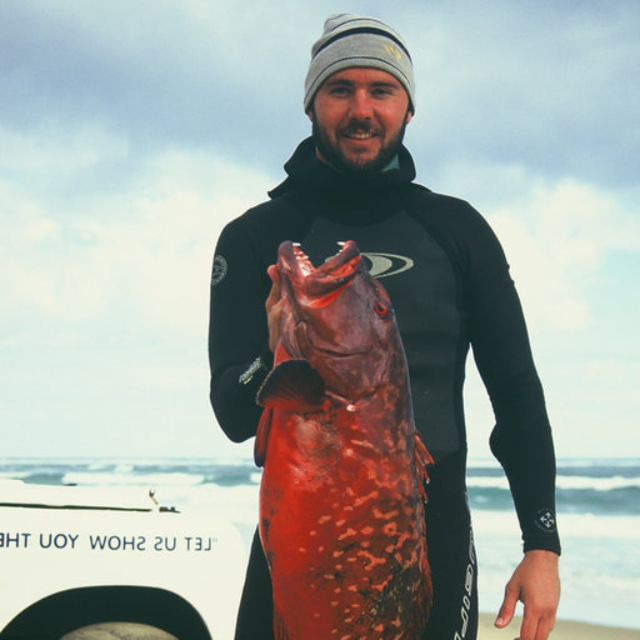
Matthew Craig, PhD

Research Geneticist, NOAA National Marine Fisheries Service

PhD, Scripps Institution of Oceanography University of California San Diego, Marine Biology
MA, Occidental College, Biology
BA, Occidental College, Biology

Dr. Craig's research broadly focuses on the evolution, conservation, and biology of marine fishes. In his role at the National Marine Fisheries Service, Dr. Craig currently provides genetic information for fishes and invertebrates that is used to create policy for fisheries management. This includes populations and species in the wild and in the rapidly developing aquaculture industry.

Dr. Craig earned his PhD in Marine Biology in 2005. His dissertation focused on the patterns and processes of speciation and biogeography in the groupers. Given that groupers are a heavily exploited group of fishes, Dr. Craig's research turned towards conservation biology. In 2012 he was appointed as the co-chair of the IUCN Species Survival Commission Groupers and Wrasses Specialist Group which is responsible for performing extinction risk analyses that are published on the Red List of Threatened Species and utilized by many countries as the basis for policy recommendations. Dr. Craig is also actively involved in research on the life history of fishes. Using various techniques, this research aims to describe basic information about fishes including age, longevity, and reproductive mode. These data, along with estimates of stock abundances and biomass, are utilized to stock assessment models to provide guidance for effective management.

Email: matthew.craig@noaa.gov

Graduate Program Affiliate

Jeff A. Crooks, PhD

Research Coordinator, Tijuana River National Estuarine Research Reserve

PhD, Scripps Institution of Oceanography University of California San Diego, Oceanography
MS, San Diego State University, Marine Ecology
BS, Colorado State University, Zoology

Dr. Crooks has been the Research Coordinator of the Tijuana River National Estuarine Research Reserve, a Marine Protected Area just north of the US / Mexico border, since 2002. He runs the Reserve's research and monitoring program, which focuses on using sound science to adaptively manage urban marine ecosystems such as salt marshes and lagoons. The Reserve is currently focusing on using restoration to increase resilience of coastal wetlands in the face of climate change, as well as the ecology and management of invasive species.

Crooks has been working on the ecology of San Diego's coastal wetlands for over 25 years, and has examined biological and physical changes in these systems over time. Much of this work has focused on viewing invasive species as both causes and consequences of environmental change. He has examined the ability of exotics to impact invaded areas by changing physical habitat structure via ecosystem engineering, and has explored the temporal dynamics of invasion, particularly related to an often-observed "lag effect." Another current theme of his research is understanding how management and restoration of coastal wetlands can be used to improve ecosystem functioning now and into the future.

Email: jcrooks@trnerr.org

Graduate Program Affiliate

Mark Drawbridge

Director of Sustainable Seafood and Senior Research Scientist at Hubbs-SeaWorld Research Institute (HSWRI)

MS, San Diego State University, Marine Ecology
BA, Gettysburg College, Biology

Mark Drawbridge is a Senior Research Scientist at Hubbs-SeaWorld Research Institute (HSWRI) in San Diego, where he also serves as the Director of the Institute’s Sustainable Seafood Program. Drawbridge and his team are developing techniques for growing marine fish, invertebrates and seaweeds for food and conservation. Under Drawbridge’s direction, the HSWRI Sustainable Seafood Program supports more than 20 full-time staff, two research hatcheries in San Diego, and acclimation cage facilities throughout southern California. Drawbridge is currently a board member and past president of the California Aquaculture Association; a member of the Western Regional Aquaculture Center’s technical research committee; and a member of California’s Aquaculture Development Committee. His areas of expertise include marine aquaculture and fisheries.

Drawbridge’s team research spans a wide range of disciplines required for successful propagation of marine fishes, invertebrates and seaweeds including but not limited to reproduction, nutrition, physiology, health, systems design and engineering and genetics. Research is currently focused on halibut, seabass and yellowtail among fishes; sea cucumbers, sea urchins and scallops among invertebrates; and several species of marine seaweeds.In addition to monoculture systems, the HSWRI team is studying integrated multi-trophic aquaculture (IMTA) to maximize efficiencies and sustainability. The intent of the ocean farming research is to provide locally produced food for human consumption or for outplanting to support conservation. Drawbridge is an author or co-author on over 70 peer-reviewed publications encompassing this range of topics. He has served as an Advisor or committee member for 16 graduate students.

Email: mdrawbridge@hswri.org

University of San Diego Faculty

Hugh Ellis, PhD

Professor, Department of Biology

PhD, University of Florida Gainesville, Zoology
MS, California State University at Northridge, Biology
BA, University of California Berkeley, Zoology

Hugh Ellis, PhD, came to the Biology Department in 1980 after teaching three years at Iowa State University. His research is in the energetics of birds, looking at such topics as energy budgets, migration, and diving. He has been a visiting research scientist at the University of Hawaii, Sydney University (Australia), and the Archbold Biological Station (Florida). Dr. Ellis is affiliated with the Environmental and Ocean Sciences graduate program and is involved with the Center of Comparative Physiology in the Biology Department.

Dr. Ellis' research is focused on the temperature regulation and energetics of birds of several groups: herons, seabirds, rails, and jays. For the last several years, the primary focus of his work has been the physiological adaptations of Eared Grebes, a diving waterbird. His lab has studied its temperature regulation, its energy budget, and the relation of its body composition and metabolic rate to different parts of its annual cycle. Recent work in the lab includes a study of fatty acid signatures as a guide to Eared Grebe migratory routes. Current work in the lab includes a study of oxygen stores in diving grebes and the intermediary metabolism of several tissues in these birds.

Email: ellis@sandiego.edu

University of San Diego Faculty

Sarah Gray, PhD

Professor, Department of Environmental and Ocean Sciences

PhD, University of California Santa Cruz, Earth Sciences
BA, University of Colorado Boulder, Geological Sciences

Sarah Gray, PhD, teaches courses in geological oceanography, paleoclimatology, climate change, environmental geology, and earth science. These courses include hands-on field and lab-based research experiences. Gray conducts research in paleoclimatology, marine sedimentation, the geology of coral reefs and environmental proxies recorded in the geochemistry of coral skeletons. Current research includes a study of the impact of watershed development on sedimentation on fringing coral reefs in the U.S. Virgin Islands and a synthesis of multi-century climate cycles preserved in the geologic record. Her PhD dissertation was entitled “Late Quaternary History of Reef Growth, Sea Level, and Diagenesis from three Cook Islands Atolls”.

Gray teaches courses at the graduate and undergraduate level in general geoscience, geological oceanography, paleoclimatology, and coral reefs and climate change. All of her courses encourage examination of interconnectedness of the “spheres” of the earth system through critical thinking and hands-on field and lab-based research experiences such as oceanographic research cruises and field trips to the coastal zones and deserts.

Email: sgray@sandiego.edu

Graduate Program Affiliate

John Hyde, PhD

Supervisory Geneticist in Fisheries Resources Division, Southwest Fisheries Science Center

PhD, Scripps Institution of Oceanography University of California San Diego, Marine Biology
BS, University of California San Diego, Biochemistry & Cellular Biology

Dr. Hyde has been leading the Genetics, Physiology, and Aquaculture Program at NOAA’s Southwest Fishery Science Center since 2009. His program’s work focuses on using genetic and physiology tools to improve the monitoring, management, and culture of marine fishes and invertebrates in the eastern Pacific. In recent years much of this work has focused on developing high-quality genomic resources for marine species that are of interest to existing and proposed aquaculture programs.

John Hyde received his PhD from Scripps Institution of Oceanography where his work focused on understanding the evolution and diversification of rockfishes (Sebastes spp.) using genetic techniques. In addition to rockfish he has worked extensively on studies of highly migratory pelagic fishes including sharks, billfishes, tunas, jacks, and opah. Studies on these species have included taxonomic reevaluation, delineation of biologically discrete units for management, and development of assays to provide species identification for cryptic life stages (eggs, larvae) and products in trade (fillets, shark fins). Recently his program has focused on using their talents to develop high-quality genomic resources for species in culture (Seriola spp., Haliotis spp.) as well apply physiologic methods to evaluate vital rates of these species with the goal of improving culturing efficiency. These resources are also being applied to develop novel methods to improve culture of the endangered white (H. sorenseni) and black (H. cracherodii) abalone with the ultimate goal of restoring these species in the wild.

Email: john.hyde@noaa.gov

Graduate Program Affiliate

Thomas Gunter Kretschmar, PhD

Senior Researcher, Earth Sciences

PhD, Eberhard Karls Universität Tübingen, Geology
MS, Eberhard Karls Universität Tübingen, Geology

Dr. Thomas Gunter Kretzschmar is a senior researcher at the Center for Scientific Research and Higher Education of Ensenada (CICESE) and has over two decades of experience in hydrogeochemistry, water resources management, and thermodynamic processes in aquifers. His research focuses on the evolution of water quality, groundwater flow dynamics, and sustainable management of hydrological resources. Dr. Kretzschmar has mentored more than 40 students at various academic levels and published over 45 peer-reviewed articles. He is also dedicated to promoting diversity and inclusion in geosciences and fostering young researchers' development. His areas of expertise include hydrogeochemistry, water resources management and environmental geosciences.

Kretzschmar’s research integrates hydrogeochemical and isotopic analysis to address key challenges in water resource management. His interdisciplinary studies focus on characterizing the physical-chemical properties of water through the hydrological cycle, assessing ground water recharge, and evaluating aquifer sustainability. His work often combines field surveys, laboratory analyses, and advanced modeling techniques to understand the interaction between geological formations and water quality. Kretzschmar is currently leading projects on water balance in semi-arid zones, including the Vallede Guadalupe Basin, integrating indigenous knowledge with scientific methodologies to promote sustainable water use and conservation.

Kretzschmar enjoys mentoring students and researchers, emphasizing critical thinking, problem-solving, and interdisciplinary collaboration. He is passionate about advancing the geosciences field, enhancing scientific literacy, and contributing to sustainable environmental management.

Email: tkretzsc@cicese.mx

University of San Diego Faculty

Ronald Kaufmann, PhD

Associate Dean, College of Arts and Sciences and Professor, Department of Environmental and Ocean Sciences

PhD, Scripps Institution of Oceanography University of California San Diego, Marine Biology
BS, University of Minnesota, Biology (emphasis in Ecology and Behavioral Biology)

Ron Kaufmann, PhD, joined the USD faculty in 1997 and currently serves as the Associate Dean for Programs and Curriculum in the College of Arts and Sciences. His areas of specialization are benthic and pelagic ecology and environmental biology, and his teaching includes courses in biology, environmental studies and marine science, as well as interdisciplinary courses that are team-taught with colleagues in the humanities. Kaufmann’s scholarship focuses on biological communities and their dynamics as well as their responses to changing environmental conditions. He has studied marine communities in extreme environments such as the Antarctic and the deep ocean, as well as in Mission Bay. At this time, he is not taking on any new graduate students, though he is available to serve as a graduate committee member.

Email: kaufmann@sandiego.edu

Graduate Program Affiliate

Keith Lombardo, PhD

Director and Coastal Ecologist, Southern California Research Learning Center

PhD, University of Arizona, Geography
MS, University of Connecticut, Natural Resource Management

Keith Lombardo is a Coastal Ecologist and the Director of the Southern California Research Learning Center(SCRLC), where he is charged with facilitating cross-cutting scientific partnerships, engaging the public in scientific exploration and communicating science that supports our stewardship of three uniquely southern Californian National Parks (Cabrillo National Monument, Santa Monica Mountains National Recreation Area and Channel Islands National Park). Keith’s current research interests are wide-ranging and include topics such as coastal ecology, genetic conservation and ecosystem responses to climate change. His areas of expertise include plant ecology, fire ecology, rocky intertidal systems and coastal ecosystems.

Using tree-ring analysis, Keith's dissertation research focused on the reconstruction of historic chaparral fire regimes in southern California. As an ecologist for the National Park Service, he has been extensively involved in long-term vegetation and rocky intertidal monitoring projects across three coastal NPS units. In addition to studying biotic resources, he has been involved in establishing instruments, in both terrestrial and marine habitats, that collect abiotic data which compliments the biotic component of long-term monitoring protocols.

Email: klinaz11@gmail.com

University of San Diego Faculty

Mary Sue Lowery, PhD

Chair and Professor, Department of Biology

Postdoctoral Fellowship, National Research Council
PhD, Scripps Institution of Oceanography University of California San Diego, Marine Biology
Pre-doctoral Fellowship Recipient, National Science Foundation
BS, (with highest distinction) Mississippi State University, Zoology

Mary Sue Lowery, PhD, joined the Department of Biology faculty in 1990. Lowery is a comparative biologist with particular interest in the effect of endurance swimming on the development of muscle in juvenile marine fishes.

An active participant in the USD interdisciplinary honors program, Lowery has engaged in developing numerous team-taught courses with colleagues in other departments. She strives to engage students in the process of science through encouraging student design and implementation of projects within traditional courses as well as promoting student collaboration in her research lab. Independent projects and intensive writing in biological oceanography provide some of her favorite areas for developing students' critical reasoning and science writing skills. Lowery is an enthusiastic promoter of science in local K-12 school districts, linking young women to opportunities in science and encouraging all USD students to volunteer as mentors and workshop presenters for BE WiSE (Better Education for Women in Science and Engineering) and EYH San Diego (Expanding Your Horizons) events. As a member of Project Kaleidoscope's Faculty for the 21st Century, Lowery works on the national level for science education reform. Lowery was the recipient of the Davies Award for Excellence in Teaching (2006) and the Outstanding Preceptor Award (2007).

Email: slowery@sandiego.edu

University of San Diego Faculty

Geoffrey Morse, PhD

Associate Professor, Department of Biology

Darwin Fellow, University of Massachusetts, Organismic and Evolutionary Biology
Postdoctoral Researcher, University of California Davis, Department of Entomology
PhD, Harvard University, Biology
BA, Carleton College, Biology

Geoffrey Morse, PhD, came to USD in 2008 and teaches general biological topics and more specialized courses in entomology and evolutionary biology. He conducts research in insect evolution and ecology, the goal of which is to understand how ecological interactions, environmental conditions, and geographic distributions have structured their impressive diversification. This research involves reconstructing evolutionary relationships among insect species, examining patterns and mechanisms of speciation, understanding processes that link or separate populations, and understanding the adaptations that cause ecological specialization of insect species. Morse works on these interactions at levels that span from local California landscapes to global patterns of diversification.

The Morse laboratory is currently involved in multiple projects designed to understand the rapid diversification of insect species that resulted in their becoming the dominant animal in almost all of earth's terrestrial ecosystems. The laboratory currently is focusing on two main topics. We are involved in an NSF-funded collaborative project with Professor Ben Normark of the University of Massachusetts (“Extreme polyphagy, extreme diversity or both? Armored scale insects of tropical rainforests on four continents in canopies of tropical forests”) focusing on the role that diverse ecological interactions (with plants, fungi, bacteria, predators, parasites) have played in the diversification of the armored scale insects; and in how population biology interacts with ecology to generate variation in diet breadth. The second focus is an investigation of the coevolution between poisonous plants in the genus Astragalus (milkvetches, woollypods, and locoweeds) and the beetles that specialize on eating their seeds. In addition, the Morse lab is examining the 80-million year evolutionary history that has resulted in the ~2,000 species of seed beetles at a global level. To address these questions, Morse and his students do considerable field work to understand ecological interactions and establish geographic ranges, and examine molecular and morphological data in the laboratory to understand evolutionary relationships.

Email: gmorse@sandiego.edu

University of San Diego Faculty

Bethany O'Shea, PhD

Professor, Department of Environmental and Ocean Sciences

MPH, Griffith University Queensland Australia, Environmental Health
Postdoctoral Scholar, Lamont-Doherty Earth Observatory of Columbia University
PhD, University of New South Wales Sydney Australia, Geology
BS (Honours 1), University of New South Wales Sydney Australia, Earth and Environmental Science

Bethany O'Shea, PhD, teaches courses in introductory earth science, environmental health, and environmental geochemistry. All of these courses use the environment as a natural laboratory and include active learning and hands-on problem solving. Dr. O'Shea is interested in the health and environmental impacts of contaminants in waters, soil, dust, and marine sediment; with a particular emphasis on geogenic (naturally occurring) contaminants such as arsenic. As a first-generation female professor in STEM she welcomes the opportunity to work with students from a range of different backgrounds.

Beth O'Shea began her education in earth and environmental science, studying the impact of groundwater evolution on irrigation water quality in semi-arid Australia before moving into the field of arsenic geochemistry. Initially focusing on geomorphology and hydrogeology to determine arsenic sources in drinking water aquifers of coastal Australia, she then moved to the eastern United States to study water-mineral-arsenic interactions in the metamorphic bedrock of New England, completing a postdoc in the Geochemistry Division at the Lamont-Doherty Earth Observatory. At USD, Dr. O’Shea has completed projects investigating metal contamination from a cannery in Mexico, assessing the transport of arsenic from an abandoned mine in San Diego, as well as working on interdisciplinary teams to provide a geologic lens for the humanities (e.g., geology and rhetoric) and other sciences (e.g., geology and botany).

An avid educator, Dr. O'Shea was recruited into the prestigious Frontiers of Science teaching program at Columbia University, a program designed to train the next generation of educators in STEM. This led to her interest in teaching and learning, which later directed her career towards university administration. Between 2017-2021 she led USD through the largest curricular revision ever achieved on campus, by implementing and assessing the University of San Diego's new Core Curriculum. This resulted in several conference and workshop presentations on student learning in general education programs, particularly emphasizing the implementation success of integrative learning in the first year Living and Learning Communities at USD. Having recently returned to full-time faculty Dr. O'Shea is revitalizing her research interests with work on the bioaccessibility, geochemistry, and health impacts of pollutants in the environment and currently supervises graduate and undergraduate students working on projects related to wildfire impacts on drinking water and local geochemical pollution problems.

Email: bethoshea@sandiego.edu

University of San Diego Faculty

Jennifer Prairie, PhD

Professor, Department of Environmental and Ocean Sciences

PhD, Scripps Institution of Oceanography University of California San Diego, Oceanography
MS, Scripps Institution of Oceanography University of California San Diego, Oceanography
BA, Dartmouth College, Mathematics

Jennifer C. Prairie, PhD, joined the USD faculty in 2014. Her research combines laboratory experiments and field work with mathematical modeling to study biological-physical interactions in marine ecosystems, particularly focusing on plankton. Current projects include studying marine snow formation in turbulence and zooplankton foraging in patchy environments. Prairie welcomes undergraduate involvement in her research.

Prairie’s research is interdisciplinary, focusing on how biological and physical factors interact in marine planktonic ecosystems. Some previous research projects include: studying small-scale phytoplankton distributions in the ocean using a novel free-falling imaging system and investigating the settling behavior of marine snow particles across sharp density gradients in the laboratory. In her current research, Prairie is studying marine snow formation in turbulence and is also examining zooplankton foraging in patchy prey environments. Prairie is looking for interested undergraduates to participate in her research at USD that will involve laboratory work, modeling and data analysis, and even the possibility of taking part in oceanographic research cruises.

Email: jcprairie@sandiego.edu

Graduate Program Affiliate

Christian Reiss, PhD

Research Fisheries Biologist, NOAA Fisheries Antarctic Ecosystem Research Division

Dr. Reiss has been a Research Fisheries Biologist with NOAA Fisheries since 2002. Since 2004 he has been working for the Antarctic Ecosystem Research Division and is responsible for at-sea research in support of the U.S. Antarctic Marine Living Resources Program. The AMLR Program provides advice to the NOAA and the Department of State in support of the Convention for the Conservation of Antarctic Marine Living Resources (CCAMLR), of which the US is a signatory. Dr Reiss conducts surveys of the pelagic ecosystem of the Southern ocean using ship based surveys to assess the status and trends of Antarctic krill (Euphausia superba).

His interests are broad but focus on understanding the relationship between environmental drivers and vital rates of fish and invertebrates, an especially important link in the Southern Ocean where climate changes are occurring and the projected effects are likely to impact all trophic levels. This research has focused on growth rate variability of euphausiids and mesopelagic fish, changes in recruitment dynamics in relation to the environment and changes in the fisheries around the Antarctic peninsula. More recently, his focus is concentrated on the use of autonomous vehicles and instruments to replace ship-based assessments of marine resources.

Email: christian.reiss@noaa.gov

University of San Diego Faculty

Nathalie Reyns, PhD

Chair and Professor, Department of Environmental and Ocean Sciences

Postdoctoral Scholar, Woods Hole Oceanographic Institution
PhD, North Carolina State University, Marine Sciences
MS, Stony Brook University, Marine Environmental Sciences
BS, University of Arizona, Ecology and Evolutionary Biology

Nathalie Reyns, PhD, teaches courses in oceanography, research methods and scientific writing, and marine ecology. Reyns’ research interests focus on identifying the factors that influence the dispersal of marine organisms, to better understand the population dynamics of these organisms and the implications for fisheries management and marine conservation. Reyns is also very interested in advancing marine science education and improving ocean literacy, and regularly provides research opportunities for undergraduate and MS graduate students.

Reyns' interdisciplinary research focuses on identifying the biological and physical factors (endogenous and exogenous environmental cues, hydrodynamic conditions) that influence the transport and dispersal of marine organisms, their settlement dynamics, and recruitment to benthic habitats. Research in her lab is conducted using field studies to quantify larval abundance and distribution in relation to hydrodynamic conditions. Reyns has ongoing research projects investigating a range of topics including examining larval distributions and settlement dynamics in local rocky intertidal environments. She also examines invasive species in Mission Bay, a local urbanized estuary in San Diego.

Email: nreyns@sandiego.edu

Graduate Program Affiliate

Natalia Rodriguez Revelo, PhD

Conservation Biologist and Professor, Universidad Autónoma de Baja California Ensenada

PhD, Universidad Autónoma de Baja California, Environment and Development
MS, Universidad Autónoma de Baja California, Ecosystem Management
BS, Universidad Autónoma Metropolitana Xochimilco, Biology

Dr. Natalia Rodriguez Revelo is a conservation biologist and professor at UABC in Ensenada. She studied biology at the Autonomous Metropolitan University (UAM-Xochimilco) in Mexico City, did her postgraduate studies at the UABC, with a Master's Degree in Ecosystem Management of Arid Zones,and a PhD in Environment and Development. She did postdoctoral stay at the San Diego Natural History Museum, where her project "Entomological study of the coastal dunes of the Baja California Peninsula as a baseline for the management of ecosystems" began generating the first inventory of entomofauna in coastal dunes in Mexico. The research focuses on knowing the entomological diversity of the coastal dunes of the Baja California Peninsula in order to identify sites of endemism or hot spots for the conservation and proper management of the ecosystem. She is passionate about mentoring young people, as she considers these interactions critical in generating more equality and gender diversity in the sciences in Mexico.

Email: nrevelo@gmail.com

Graduate Program Affiliate

Michael Scott, PhD

PhD, University of California Los Angeles, Biology
MS, University of California Los Angeles, Zoology
BA, University of California Los Angeles, Zoology

Michael Scott, PhD, was a long-time Senior Scientist for the Inter-American Tropical Tuna Commission, and continues to work for that agency as a consultant on dolphin ecology research. He has conducted research on mortality reduction of dolphins in purse-seine nets, movements and diving behaviors of pelagic dolphins, and the ecological association between tuna and dolphins. His research questions have often centered around the factors that bring pelagic animals together and pull them apart. He began his marine mammal career in 1972 studying dolphin communication with David and Melba Caldwell, received his PhD from UCLA for his research on the ecology of marine aggregations, studied manatees for the US Fish and Wildlife Service and sea turtles for the National Marine Fisheries Service, and he helped found the Sarasota Dolphin Research Program which has conducted studies on coastal bottlenose dolphins in Florida for over 50 years. He is a founding member of the international Society for Marine Mammalogy and has provided advice to the National Marine Fisheries Service and Fish and Wildlife Service while serving on the U.S. Pacific Scientific Review Group. He has been a lecturer at the University of San Diego since 2011, teaching the EOS course on the Biology of Marine Mammals.

Email: mscott.sdrp@gmail.com

University of San Diego Faculty

Steven Searcy, PhD

Distinguished Teaching Professor, Department of Environmental and Ocean Sciences

PhD, North Carolina State University, Biological Oceanography
MS, Stony Brook University
BS, University of New Hampshire

Steven Searcy, PhD, teaches courses at all levels within the major including introductory life science classes, research methods and scientific writing, and upper division classes on the biology of fishes and human impacts to the marine environment. His areas of expertise include marine ecology, biology of fishes, early life history of fishes, habitat quality and marine pollution.

Searcy’s research focuses on the early life history of marine organisms. Research projects include evaluating nursery habitats in estuarine and coastal waters and examining spatial and temporal trends in microplastic ingestion and heavy metal contamination in filter feeding invertebrates.

Email: ssearcy@sandiego.edu

Graduate Program Affiliate

Brent S. Stewart, PhD, JD

Senior Research Scientist, Hubbs-SeaWorld Research Institute

JD, University of California Berkeley, Law
PhD, University of California Los Angeles, Biology
MS, San Diego State University, Ecology
BA, University of California Los Angeles, Biology

Since 1977, Dr. Stewart has conducted wide-ranging research on the ecology, physiology, population biology and genetics, and behavior of all vertebrate groups except amphibians, on all seven continents, and in all of Earth’s Oceans, with particular emphasis on seals, sea lions, whales, dolphins, penguins and other sea birds, sea turtles and whale sharks. During his research career Dr. Stewart has initiated, developed, and executed applied and basic research studies of marine mammals, seabirds, penguins, sea turtles, sharks and some terrestrial wildlife, mostly in remote polar, temperate, and temperate regions under contracts and grants to a variety of U.S. and international government agencies, corporations, private foundations, and NGOs. The objectives of virtually all of these studies has been to help identify and resolve conflicts between humans and wildlife, and vice versa, and wildlife and wildlife to strive to keep wildlife populations, communities, species, and ecosystems on Earth, for at least a little while longer. He has often pioneered and applied a variety of technologies to engage in these studies.

Dr. Stewart earned a BA in Biology from UCLA (where he was an NCAA student athlete) in 1977, a MS in Ecology from San Diego State University, a PhD in Biology from UCLA, and a Juris Doctorate in Law from Boalt Hall at the University of California at Berkeley. He was awarded a Science & Diplomacy Fellowship by the American Association for the Advancement of Science in 1999, serving with the Bureau of Oceans at the U.S. Department of State through 2001 under Secretary of State Madeleine Albright.

Email: bstewart@hswri.org

Graduate Program Affiliate

Kevin Stuart

Senior Research Scientist, Hubbs-SeaWorld Research Institute

MS, Clemson University Aquaculture, Fisheries and Wildlife
BA, University of Delaware, Biology

Kevin Stuart studies factors that affect the reproduction, growth and health of marine finfish in an aquaculture setting. His research focuses on all topics related to fish production for either stock enhancement or human consumption. These topics include: egg quality, broodstock nutrition, larval nutrition, larval culture, juvenile nutrition and juvenile grow out.

Mr. Stuart has been in the aquaculture field since receiving his master’s degree from Clemson University in 2000. Over the years he has worked with multiple marine species both on the east and the west coast. Stuart became involved with HSWRI in 2003 as research technician. In 2009, he began to help direct research at the San Diego laboratory on California yellowtail (Seriola dorsalis), California halibut (Paralichthys californicus), and white seabass (Atractoscion nobilis).

Email: kstuart@hswri.org

University of San Diego Faculty

Sophie Taddeo, PhD

Assistant Professor, Department of Environmental and Ocean Sciences

PhD, University of California Berkeley, Environmental Planning
MS, McGill University, Plant Sciences

Sophie Taddeo, PhD, holds a master's in Plant Sciences from McGill University and a PhD in Environmental Planning from the University of California - Berkeley. Her work uses a variety of spatial tools to inform the conservation of ecosystems in working landscapes. She is particularly interested in studying drivers of biodiversity and ecosystem functions in wetlands and urban ecosystems.

Email: staddeo@sandiego.edu

University of San Diego Faculty

Drew Talley, PhD

Graduate Program Director and Professor, Department of Environmental and Ocean Sciences

PhD, Scripps Institution of Oceanography University of California San Diego, Biological Oceanography
BS, San Diego State University, Biology

Drew Talley, PhD, is the current Director of the Master of Science in Environmental and Ocean Sciences program at the University of San Diego. He teaches a variety of courses including Environmental Data Analysis, Organisms & Ecosystems, Graduate Core Seminar, and Wetland Ecology. His overall research focuses on understanding connectivity across habitat boundaries, and assessing how that interdependence between systems changes with anthropogenic influence both locally (e.g., through habitat loss) and globally (e.g., through climate change). His areas of expertise include marine ecology, coastal/wetland ecology and island biogeography.

Talley’s research focuses on elucidating the mechanisms and generalities behind habitat linkages, in particular spatial subsidy, and integrating these connections into studies of coastal ecosystems. Examples include research focused on the connectivity of habitats in southern California estuaries; spatial subsidy at the land-sea interface in the Gulf of California; food web dynamics in coastal systems of northern Baja California, and the ecosystem-level impacts of species invasions in southern California. Throughout all of his research, Talley deeply integrates education and applied conservation biology into his fundamental science questions.

Talley has published numerous papers and book chapters, and has been the recipient of awards from California Sea Grant, UC Mexus and the National Science Foundation, among others.

Email: dtalley@sandiego.edu

Graduate Program Affiliate

Theresa Talley, PhD

Coastal Specialist, California Sea Grant

PhD, University of California Davis, Ecology
MS, San Diego State University, Biology
BS, Connecticut College, Botany

Dr. Talley uses science to advance the field of ecology, address coastal environmental issues, train tomorrow's leaders and raise public awareness of our local natural ecosystems. Her research in coastal ecosystems spans both coasts of North America, with experience from New England, California and Baja California, Mexico.

Her three broad research programs are:

(1) Healthy Ocean-Healthy City, the goal of which is to improve the health of ecosystems, urban communities and seafood producing livelihoods by raising public awareness of our responsible seafood producers and by facilitating a diversity of local, native seafood in fisheries and farms.

(2) Coastal Ecosystem Ecology and Conservation, the goal of which is to improve our understanding of coastal ecosystems (salt marshes, estuaries, coastal scrub, riparian) so that we can make well informed decisions to protect and utilize their multitude of functions. This includes testing the influences on coastal ecosystem function especially during ecosystem restoration, species invasions and climate change.

(3) Making Waves, the goal of which is to use scientific research to encourage environmental stewardship and community well-being by strengthening connections between our citizens and coastal ecosystems, by better understanding how to get people engaged and active, and by enhancing and restoring our local urban ecosystems.

Email: tstalley@ucsd.edu

Graduate Program Affiliate

Andrew Thompson, PhD

Research Fisheries Biologist, NOAA Southwest Fisheries Science Center

PhD, University of California Santa Barbara, Marine Ecology
MS, University of Georgia, Stream Ecology
BS, University of Southern California, Biology

Andrew is a NOAA National Marine Fisheries Service research fisheries biologist at the Southwest Fisheries Science Center in La Jolla. His research focuses on elucidating processes that affect the recruitment and assemblage dynamics of marine fishes. Andrew is part of the California Cooperative Oceanic Fisheries Investigation program that has been systematically and continuously monitoring larval fishes in the California Current Ecosystem since 1951. Most of his current research uses CalCOFI samples either by analyzing existing data on fish abundance or creating new data from CalCOFI samples by, for example, determining the identity of larval rockfishes using genetic approaches. He has supervised several USD graduate students over the past decade either as a primary advisor or committee member.

Email: andrew.thompson@noaa.gov

Graduate Program Affiliate

Sula Vanderplank, PhD

Research Associate, Ensenada Scientific Research and Higher Education Center

PhD, University of California Riverside, Plant Ecology
MS, Claremont Graduate University, Botany
BS, University of Reading Berkshire, Botany

Dr. Sula Vanderplank is an expert in the flora and ecology of the Baja California peninsula, having studied the diverse ecosystems and offshore islands there for the last 20 years. She earned her PhD in Plant Ecology from the University of California, Riverside, under Dr. Exequiel Ezcurra. She is a Research Associate at the Ensenada Scientific Research and Higher Education Center (CICESE), and San Diego State University. She maintains an active research program on the peninsula and has published more than 50 academic articles and books. She is currently the director of Conserva Loreto, a program of The Ocean Foundation, which exists to strengthen protected areas in Loreto with science, education and equity.

Email: sula.vanderplank@gmail.com

University of San Diego Faculty

Suzanné Walther, PhD

GIS Certificate Program Director and Professor, Department of Environmental and Ocean Sciences

PhD, University of Oregon, Geography
MS, University of Oregon, Geological Sciences
MS, University of Virginia, Environmental Sciences
BA, University of California Santa Barbara, Political Science, International Relations

Suzanné Walther, PhD, is a fluvial geomorphologist and broadly trained physical geographer. She teaches courses in natural disasters/physical geography, geomorphology, senior research synthesis and seminar for the capstone, and geospatial techniques such as geographic information systems (GIS). She is the director of the new USD GIS Certificate Program. Her areas of expertise include fluvial geomorphology (river science), water resource management and applications of GIS.

Walther’s research focuses on the role of natural and human disturbances in shaping river systems. In the field, she uses GPS/GNSS and Uncrewed Aerial Vehicle (UAV) imagery collection as well as traditional field techniques. In the lab, research includes GIS, Structure from Motion (SfM), and sediment analysis. Dr. Walther has ongoing projects quantifying the geomorphic impacts of flash floods (Capitol Reef National Park and Anza Borrego Desert State Park). She also works on GIS and policy-based research with students that has included solving environmental problems in the greater San Diego-Tijuana region, and drought, water management, and social equity in Cape Town’s water crisis. Past projects include mapping and monitoring restoration recovery in Tecolote Canyon, mapping outreach and post-earthquake aid in Nepal, and investigating the impacts of sedimentation on coastal estuary systems (Tijuana and Los Peñasquitos). Walther welcomes undergraduates and MS students who are interested in research projects that involve geomorphology and/or GIS applications to answer questions related to environmental problems.

Email: swalther@sandiego.edu

Graduate Program Affiliate

Nick Wegner, PhD

Research Fisheries Biologist, NOAA Southwest Fisheries Science Center

PhD, Scripps Institution of Oceanography University of California San Diego, Marine Biology
BS, University of California San Diego, General Biology

Nick Wegner, PhD, is a Research Fisheries Biologist at the NOAA Southwest Fisheries Science Center in La Jolla, CA and has been part of USD’s graduate program affiliates since 2017.His research investigates the physiology and behavior of marine fishes and invertebrates to gather needed biological information (e.g., pertaining to habitat utilization, responses to changes in the environment, and interactions with fisheries) for commercially-important and overexploited species. Such work ranges from measuring fish bioenergetics and environmental tolerances in the laboratory and experimental aquarium at the Southwest Fisheries Science Center to at-sea research on fish movements and catch-and-release mortality. His areas of e expertise include marine organismal physiology and behavior.

Email: nick.wegner@noaa.gov

University of San Diego Faculty

Zhi-Yong Yin, PhD

Professor, Department of Environmental and Ocean Sciences

PhD, University of Georgia
MS, Peking University China
BS, Peking University China

Zhi-Yong Yin, PhD, came to USD in 2003 after teaching at Georgia State University in Atlanta for 12 years. He offers classes in hydrology, climatology, geographic information systems (GIS), and remote sensing. His research focus is hydroclimatology, with special interests in recent and past climate variations and the impact on hydrological systems and water resources.

Trained as a physical geographer, Yin has a broad spectrum of research interests. His past projects included studies of climatic variability of different time scales, impact of urbanization on water quality and quantity, climate change education, and a NASA-sponsored project to evaluate rainfall estimates based on satellite passive microwave remote sensing over the Tibetan Plateau. He is currently involved in projects using tree rings to reconstruct past climates in various regions in China and investigating variations of the Asian monsoon systems. He has authored and co-authored more than 80 research articles published in peer-reviewed journals, including Journal of Climate, Journal of Geophysical Research, International Journal of Climatology, and Journal of Hydrometeorology. Yin has directed both graduate and undergraduate student research in areas of water resources and climate change.

Email: zyin@sandiego.edu