The CFST On the Road: Recapping October Events on Transforming Food SystemsOctober was a busy month of conference travel and presentations for the Center for Food Systems Transformation. CFST’s Director Aaron Gross, PhD, and Associate Director Katie Gillespie, PhD, shared with diverse audiences the work on food systems transformation unfolding at USD. Inspiring audience feedback and in-depth conversations about sustainability, ethics and food highlighted the urgency of addressing the environmental impacts of global food systems and transformations in campus food procurement. Below are the highlights of each of these events.
Aligning Food Choices and USD Values: Results of the 2025 Student Food Choices SurveyIn Spring 2025, the USD Center for Food Systems Transformation partnered with Professor of Sociology Julia Cantzler, PhD, JD to survey students about what matters most to them in the food choices they make. The survey tracked the knowledge, attitudes and behaviors concerning food on campus for approximately 300 students.
Announcing the Launch of the Student Food Choices at USD SurveyThe Center for Food Systems Transformation(CFST) announces the launch of the new Student Food Choices at USD Survey and we would love your help in ensuring students’ voices are heard.
The CFST Welcomes Katie Gillespie, PhD, as Associate DirectorThe Center for Food Systems Transformation welcomes new Associate Director Katie Gillespie, PhD . Dr. Gillespie will be working with Director Aaron Gross, PhD, to advance scholarship on issues of justice and ethics related to the food system and its role in climate change, as well as contributing to campus efforts to transform institutional food practices to align more closely with the university’s ethical and justice-focused values.
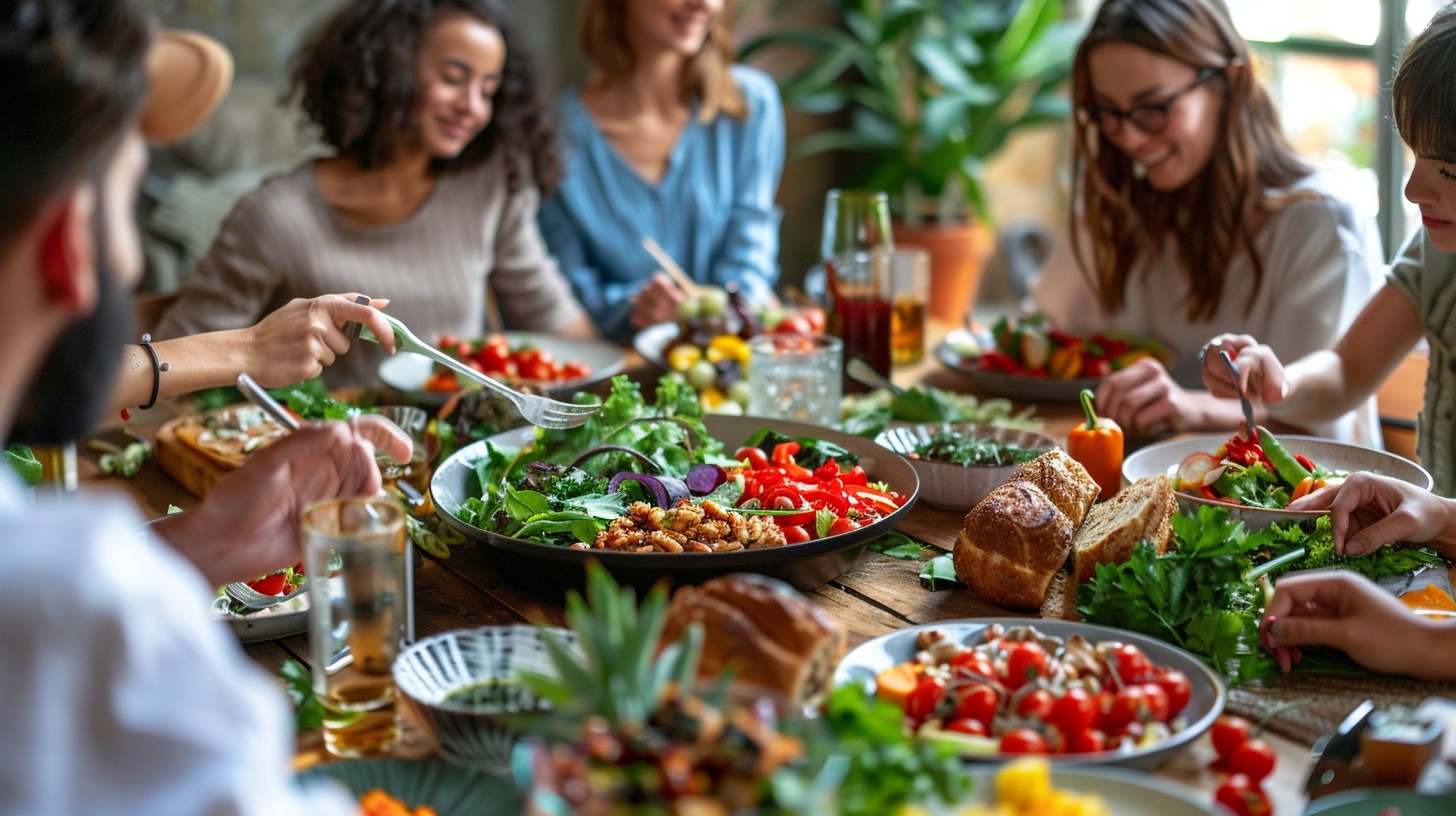
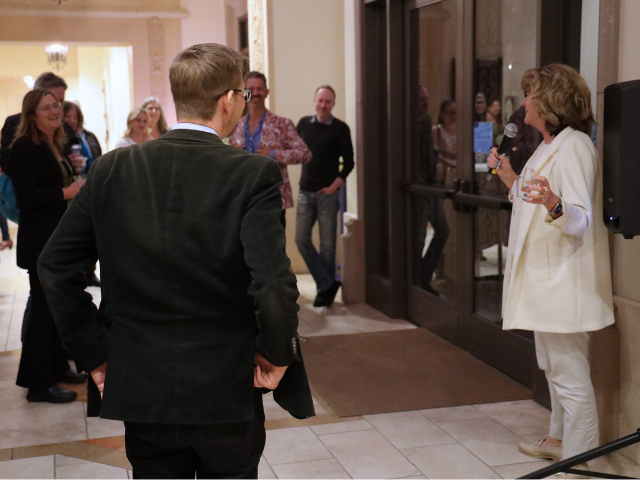
USD Celebrates Launch of the Center for Food Systems TransformationThis past Wednesday, the University of San Diego’s College of Arts and Sciences celebrated the launch of the new Center for Food Systems Transformation (CFST) with an energetic reception. Guests enjoyed delicious vegan refreshments provided by USD Catering in collaboration with local community partners Maya’s Cookies and SPLIT Bakehouse , setting the tone for an evening focused on sustainability and justice in food systems.
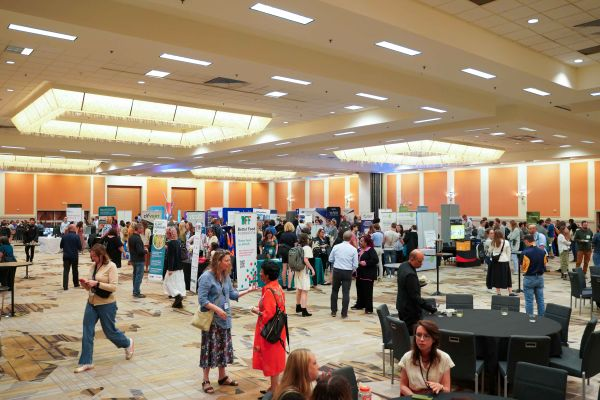
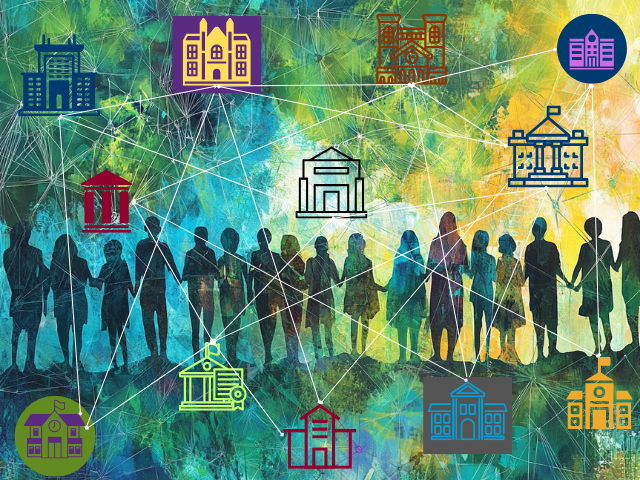
CFST Launches Scope 3 Campus NetworkThe University of San Diego's Center for Food Systems Transformation (CFST), in collaboration with the Better Food Foundation, introduced the Scope 3 Campus Network at the Association for the Advancement of Sustainability in Higher Education (AASHE) 2024.
CFST to Run Networking Meeting for Sustainability Professionals in Higher EducationThe Center for Food Systems Transformation (CFST) was selected to run a networking meeting entitled “ Values, Culture, & Choice Architecture in Scope 3 Food Emissions” at the Association for the Advancement of Sustainability in Higher Education (AASHE) Conference and Expo --the largest annual meeting for sustainability in higher education. Scope 3 emissions are a category of greenhouse gases that are indirectly caused by a company rather than being produced directly by the company. One example are emissions from the supply chains for meat, milk and other animal products. The meeting is part of CFST’s larger efforts to support intercollegiate collaboration to help institutions of higher education address Scope 3 emissions through food.
Apr21A Brief Introduction to Chan Tuesday, April 21, 2026 - 12 p.m.Spend the afternoon with a Chinese Buddhist monk right here on the USD campus! RSVP Requested.
Mar5“Food Systems and the Politics of Eating in Italy” - Virtual Guest Lecture and Q&A with Fabio Parasecoli, PhDThursday, March 5, 2026 - 12:30 p.m.Join us for a virtual lecture and Q&A session with Fabio Parasecoli, PhD, professor of food studies in the Nutrition and Food Studies Department at New York University. Since Italian unification, in 1861, food has remained a cornerstone of the nation’s politics-- not only regarding production expansion and food security but also in the construction of a national identity. This presentation examines how the food system transformations and environmental changes triggered by Italy’s economic development since the late 1950s have intersected with social dynamics to shape the country’s current role in global food debates. Topics will include the recognition of Italian cuisine as cultural heritage, the ambivalent reception of migrant foodways and contemporary controversies surrounding GMOs and vat-produced meat. Dr. Parasecoli's research explores the cultural politics of food, particularly in media, design, heritage and international affairs. His recent publications include Knowing Where It Comes From: Labeling Traditional Foods to Compete in a Global Market (2017), Food (2019), Global Brooklyn: Designing Food Experiences in World Cities (2021), co-edited with Mateusz Halawa, Gastronativism: Food, Identity, Politics (2022), Practicing Food Studies (2024), co-edited with Amy Bentley and Krishnendu Ray and The Pierogi Problem: Cosmopolitan Appetites and the Reinvention of Polish Food (2025), coauthored with Agata Bachórz and Mateusz Halawa. Contact Dr. Loredana Di Martino (ldm@sandiego.edu) with questions or to request the Zoom link. Event co-sponsored by the Dept. of Languages, Cultures and Literatures, The Center for Food Systems Transformation, the Program in Food Studies, and the ESFI Fund.
Dec16More Than Just Choice: How Religion, Race and Identity Influence Food Decisions (On Zoom)Tuesday, December 16, 2025 - 9 a.m.Join the Center for Food Systems Transformation for an inspiring conversation with Rev. Christopher Carter, PhD, exploring how identity shapes our food choices. The conversation will include pragmatic takeaways for shaping more sustainable and compassionate food systems.
May1The Long Italian Anthropocene: The “Capture and Control” of Bodies, Lives and Ecosystems in the CyberceneThursday, May 1, 2025 - 12:30 p.m.Historically known for its geology and biodiversity, southern Italy has become an important site to study the impact of the Anthropocene on Europe's subaltern communities. In this talk, Vetri Nathan, PhD, will define the term “Cybercene” and discuss the impact of ecoviolence on Italy's internal "sacrifice zones" and the people from local and Global Souths that inhabit them. Through the case of Satnam Singh, a migrant agricultural worker who died in Italy in June 2024, Dr. Nathan will illustrate this era's mechanisms of commodification, othering and wasting. Mr. Singh’s story of modern racialized enslaved labor will be followed by an analysis of the phenomenon of "dunki" migration from India to Europe and North America as an example of colonial-Cybercene multispecies co-becoming. This presentation will demonstrate how qualitative humanistic analysis of natureculture by as undertaken by The Cybercene Lab complements data-driven studies of our digital societies, while highlighting the urgency of examining Italy's multispecies relationships to create more sustainable and resilient communities.