
FACE Peace
Realizing peace and justice in the communities we work requires that we build authentic partnerships and effective collaborations that maximize inclusion, equity, and trust. New communication technologies offer opportunities to shrink our world and invite new partners in. Yet practitioners of peace, justice, and development programming often lament that the relationships we build in virtual spaces are rarely more than screen-deep. How do we create effective collaborations using in-person, online, and hybrid approaches that maximize both inclusion and trust between partners?
To help answer this question, the Future of Activities, Collaboration, and Events in Peace Initiative (FACE Peace), hosted by the Kroc Institute for Peace and Justice, creates customized, evidence-based guidance for practitioners so they can combine communication technologies and in-person moments to build the type of partnership or community they need to meet their goals.
FACE Peace Program Design Tool
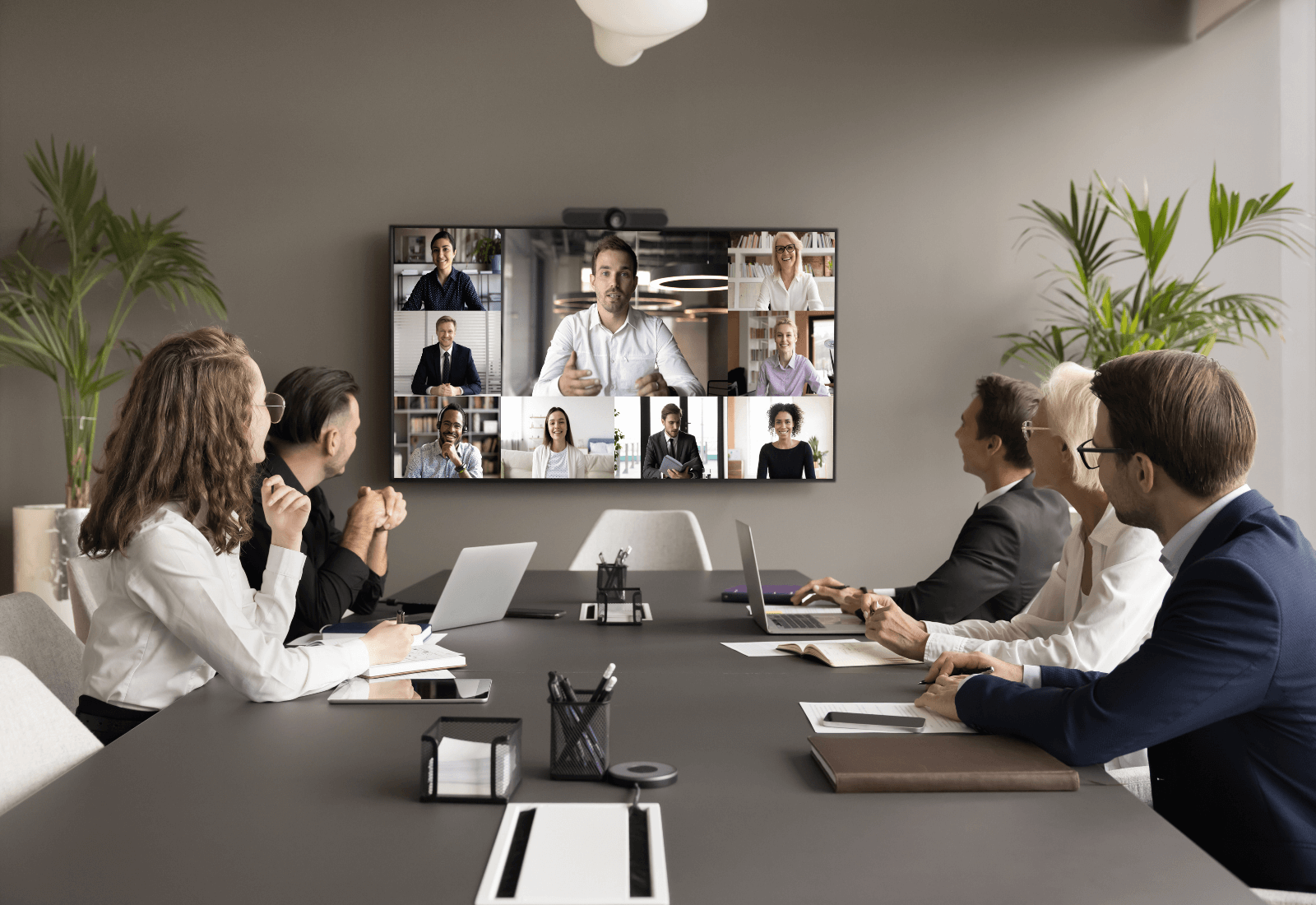
The FACE Peace Design Tool asks users a series of simple questions to practitioners about their program’s goals and produces in response a customized Design Memo. The Design Memo provides accessible, easy-to-digest recommendations that are deeper and more tailored to users’ programming needs than a simple list of tips and tricks. How does it work? We researched how communication technologies are used across a variety of industries to create a library of over 100 resources on designing effective collaborations. Based on answers to the questions provided, the Design Tool selects the resources most relevant to partnership each user hopes to build and presents only the most important. Each user can also preview the tool’s suggestions (and rejections!), add or remove resources, and review the entire resource library to find additional guidance.
To speak with us about the tool or get a tour of its uses, please contact John Porten.
Below, please browse our longer-form Design Briefs about the major program and partnership types in peace and development and watch this space for more content and updates.
FACE Peace Fast Piece
COVID-19 and the subsequent explosion in use of telecommunication software ushered in a new era of distanced collaboration in peacebuilding. This change created meaningful questions about how we convene in our field. How can we encourage creative thinking and build trust at a distance? How can we use distanced gatherings to assure the inclusion of all stakeholders in our decisions? When do we need to make the investment in face-to-face gatherings to reach our goals? How can we maximize our impact by strategically combining online, hybrid, and in-person modalities?
To help the peacebuilding field answer these questions, FACE Peace Fast Pieces summarize and contextualize research in organizational; development, industrial psychology, hybrid education, and other relevant fields. It highlights articles that will help us reimagine the future of peacebuilding and what that future will look like online and in-person.
Please subscribe to our mailing list to receive FACE Peace Fast Piece updates, or email John Porten, Kroc IPJ Research Manager (jporten@sandiego.edu), with tips or requests for future Fast Pieces.
- Assertive Communication
- Building Trust Online
- Communities of Practice
- Durable Practice Networks
- Education and Training
- Engaging Content
- Facilitating Inclusion
- Generating Creativity
Coping with Failure
April 2022
All collaborations face failure from time to time. How can our collaborations best handle setbacks? Summarizing existing research in The Journal of Positive Psychology, Maura Mills and her coauthors (2013) emphasize “approach-based coping,” in which collaborators come together immediately to discuss, triage, and even mourn the failure.
Distanced collaborations, however, facilitate “avoidance-based coping,” because collaborators rarely interact in informal or unplanned settings. How can we use telecommunications technology to encourage frank and supportive discussions of collaboration set-backs? How can we use the tools available to us to assure that we learn from our failures?