

May 2026
The Artemis II Mission Began on a College Campus
The Artemis II Mission began on a college campus.
The splashdown of the Integrity, after an historic voyage around the moon—farther than any human has ever been—was precisely what our nation needed. A few moments to pause and consider what can be accomplished when people put aside their differences and focus on a common goal. It also provided a moment to reflect on the important role American higher education played in making this dream a reality.
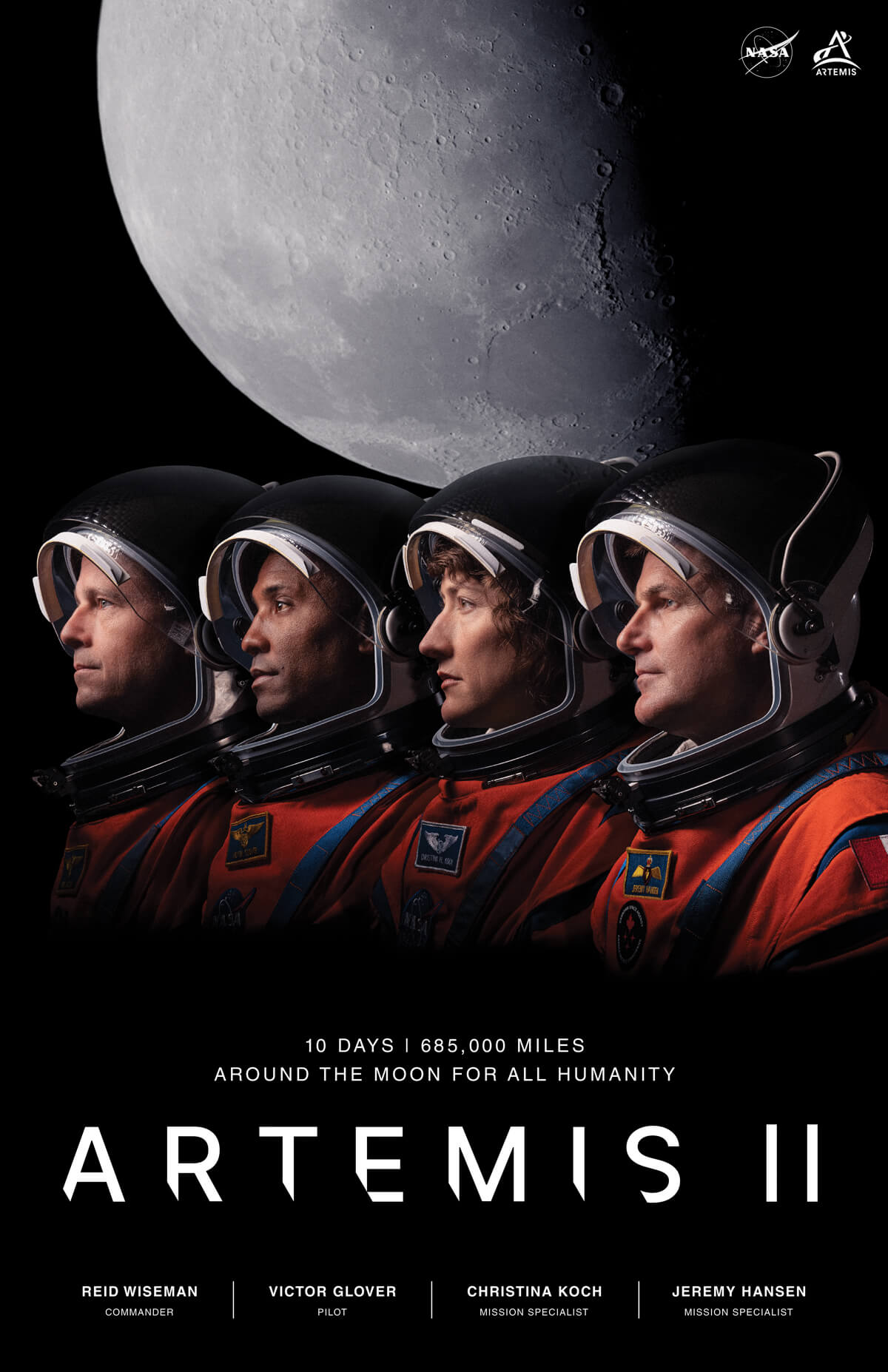
As we watched the final stages of the mission live, it was inspiring to see the team that pulled off this magnificent feat take a few moments to celebrate the many years of collaboration that went into this endeavor. Whether it was the astronauts in the capsule or the scientists, engineers, and military personnel behind the scenes at mission control, as leaders of institutions of higher learning we took great pride in considering how our faculty colleagues across the nation played a significant role in educating talented young people to be curious, to explore, to believe, and to accomplish. This is the power of higher education, to unleash the true potential of every student and inspire them to take on humanity’s greatest challenges including space travel.
In the midst of so many yammering but dangerous distractions in our society, the Artemis II mission should both elate and quiet us. Yes, we should celebrate. But also in that return to earth, could we be more attuned to the wonders of the silent six minutes that we were out of communication with the astronauts?
Quiet. We read about efforts to limit the use of technology and our mind-numbing attention to a contraption that pings at us. And like Pavlovian dogs, we respond, we check, we reply. Oh, for six minutes of absolute quiet.
There is a dangerous misconception about scientific exploration for the advancement of humanity which is that progress is a series of rapid-fire decisions that just build on the previous advancements. But the truth about scientific advancement is much more nuanced. True innovation requires something more: both quiet reflection and deep thinking -- two cornerstones of a well-prepared mind. The “deep” work that is required for the cognitive demands of space exploration begins in the classroom, with a faculty member and a student exploring a discipline together. Further, the work of faculty outside the classroom to mentor students helps them be deep thinkers and contemplative souls. This is where true innovation begins.
But the quiet is only half the point. The other half—the awe of the exploration—explains the muted sniffles, the quickly wiped tears, the embarrassed emotions of genuine elation to finally see the capsule, to see the parachutes when we were told we would see them, to see them open as planned, to witness the splashdown. And then to see the boats and crews surrounding the capsule and, finally, to see the astronauts emerge not like movie stars, but like the science heroes they are. That is truly awesome.
We are proud to be part of a moment in history. As educators, we take some pride in our collective roles, knowing that without the education they received, these astronauts and the support team behind them could not accomplish this extraordinary feat. They are scientists in an age that does not seem to value science; they are technologists in an age that fears what it has created. But they are also heroes who demonstrate the positive and the promise of the study they have embraced and the work they do.
So we are reminded that, yes, there is value in higher education—not just for those who aspire to go to the moon, but for all who aspire to do profound things: to heal the sick, to care for the underprivileged, to help the mentally challenged, to design safe buildings, and more. For those who dream of new knowledge, of solutions to old problems, of peace for those who have never known anything but war, we celebrate scientists, social workers, business experts, historians, and teachers—all leaders committed not to self-aggrandizement and pompous boasting, but to working with others to generate a bit of awe in the world.
And possibly a little quiet.
Jim’s Quick Bits
What am I listening to?
Audiobook: “Do Hard Things: Why We Get Resilience Wrong” by Steve Magness.
What I am reading:
“The Meaning of Your Life” by Arthur Brooks
What’s on my music playlist?
Listening to celebratory songs for commencement season.
What am I doing this summer?
Visiting alumni in Dublin, Ireland and spending time in Northern Ireland visiting with peacekeepers in Belfast. Hope to spend as much of our free time as possible with our family and friends, and getting to know our new granddaughter who was born in early May.