School of Law > Children's Advocacy Institute > Home

Select...

USD Children’s Advocacy Institute Receives $20,000 Grant to Launch Homeless Youth Legal Clinic

December 16, 2025

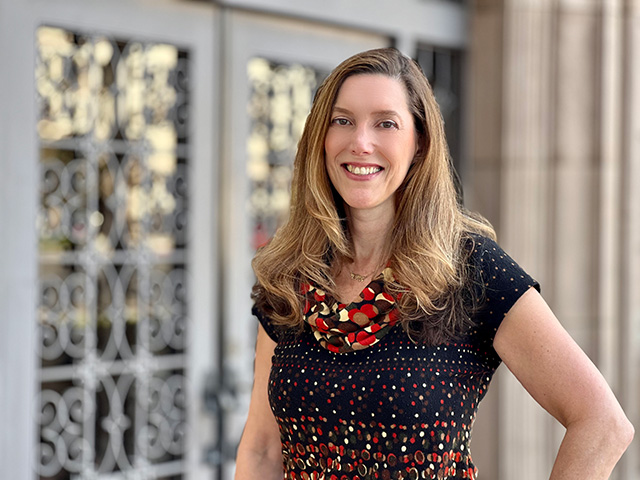
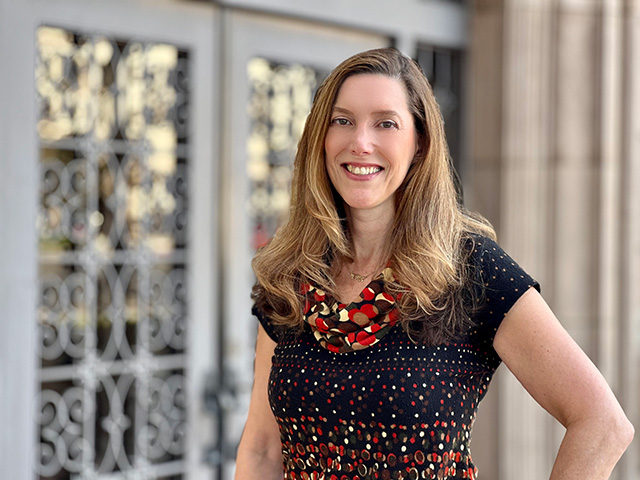
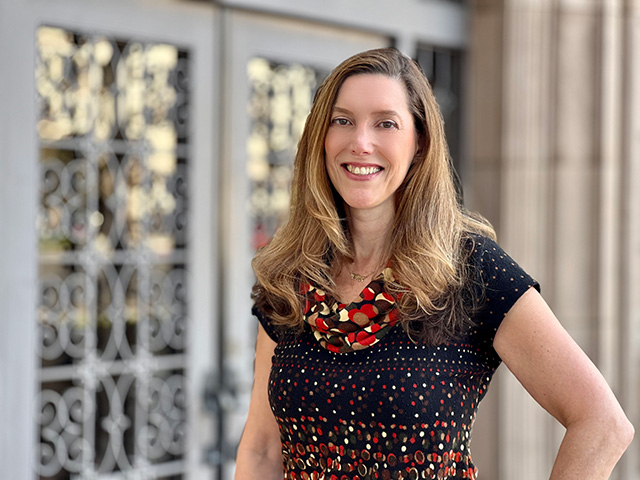
SAN DIEGO (December 16, 2025) — University of San Diego (USD) School of Law’s Children’s Advocacy Institute (CAI) will soon be launching the LEGACY Project: Legal Advocacy for Children and Youth, a new legal clinic serving youth experiencing homelessness in San Diego. This work is made possible in part by a $20,000 grant from the San Diego County Bar Foundation . The clinic will begin at San Diego Youth Services’ Storefront Shelter and will provide free help with civil legal needs that drive instability, including matters involving housing, education, and public benefits. Staffed for an initial year by an experienced attorney working alongside USD Law students, the clinic will hold regular hours at the shelter, offer follow-up services when needed, and build a referral network for issues beyond its scope. Plans call for expansion to additional sites serving a similar population as the program grows. CAI will measure impact by tracking clinic sessions, the number of clients served, case outcomes, and partnerships formed with community providers. The project will also train law students in trauma-informed client work, strengthening the pipeline of advocates for underserved minors. Faculty supervision for the new clinic will be provided by Fellmeth-Peterson Associate Professor in Child Rights Jessica Heldman ’04 (JD) , who serves as CAI’s executive director. “This grant makes it possible for us to meet young people where they are and address the legal barriers that too often keep them trapped in instability,” said Heldman. “We are deeply grateful to the San Diego County Bar Foundation for investing in a project that combines direct legal support with student training to create lasting change for youth experiencing homelessness.” Part of the USD School of Law since 1989, CAI advocates for the health, safety, and well-being of kids and teens through training, research, public education, and impact advocacy. Through its Dependency Practicum, Youth Justice Practicum, and Policy Clinic, law students assist attorneys in delinquency matters and policy reform involving foster care, juvenile justice, children’s health coverage, and education. CAI has led state and national initiatives protecting foster youth’s federal benefits and promoting online accountability and safety across social media platforms, while providing legal education to professionals who serve young people. SDCBF awards grants to programs that expand access to justice and deepen public understanding of the legal system, with support from the region’s legal and business communities. The foundation has funded dozens of local legal aid and public interest organizations that assist San Diegans experiencing hardship.

CAI’s Ed Howard, Senior Policy Advocate, Quoted on Social Media Protections in California by The Los Angeles Times

December 8, 2025

SAN DIEGO  – University of San Diego (USD) School of Law Children’s Advocacy Institute’s (CAI) Ed Howard, Senior Policy Advocate, was quoted in a story reported in The Los Angeles Times titled, “Online child safety advocates urge California lawmakers to increase protections.” California is leading the way in legislative restrictions on social media and artificial intelligence. During the recent legislative session, Governor Newsom signed a slate of legislation intended to make the internet safer, particularly for minors.  However, Newsom vetoed what was the most aggressive bill saying it was too broad and could prevent children from accessing AI altogether. According to the article, Assembly Bill 1064 would have prohibited making companion chatbots available to minors if the chatbots were “foreseeably” capable of promoting certain behaviors, like self-harm, disordered eating or violent acts. It would also have required independent safety audits on AI programs for children. Ed Howard, senior counsel and policy advocate for CAI, said one of its goals for next year is to give more teeth to two current laws. The first requires social media platforms to provide a mechanism for minors to report and remove images of themselves being sexually abused. The second requires platforms to create a similar reporting mechanism for victims of cyberbullying. Howard said the major platforms, like TikTok, Facebook and Instagram, have either not complied or made the reporting process “incredibly difficult.” “The existence of such imagery haunts the survivors of these crimes,” he said. “There will be a bill this year to clean up the language in [those laws] to make sure they can’t get away with it.” Howard believes legislators from both sides of the aisle are committed to finding solutions. “I’ve never before seen the kind of bipartisan fury that I have seen directed at these [tech] companies,” he said. Read the full article by Katie King in The Los Angeles Times .