
Q&A with Assistant Professor of Theatre Jersten Seraile, MFA
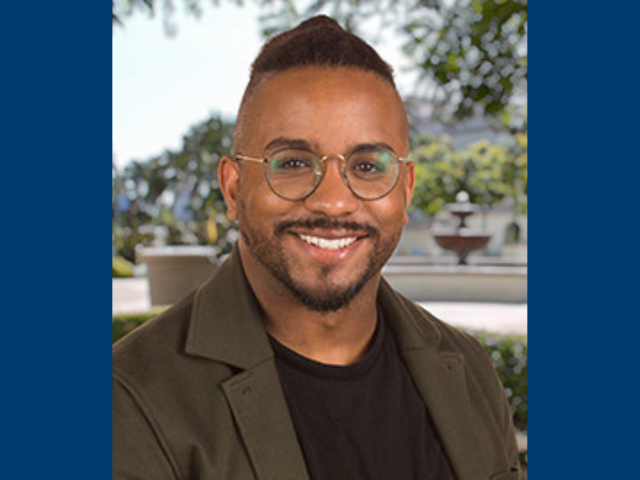
Meet Jersten Seraile, assistant professor of theatre at the University of San Diego. A graduate of the Old Globe and University of San Diego Shiley Graduate Theatre Program, Seraile is now a director, actor and educator dedicated to creating inclusive spaces in the arts. He has performed with the Old Globe Theatre and Off-Broadway. His credits include Pieces of Me and the upcoming Heroes of the Fourth Turning. At USD, he teaches both graduate and undergraduate courses and is involved in community programs like Reflecting Shakespeare.
Seraile shares his perspective on teaching theatre at USD, the value of craft beyond the stage and how it helps prepare students for life after college. Check out the recent Q&A below:
-
Why are you passionate about teaching students at USD?
I have always felt connected to the University of San Diego’s mission and culture in contributing to shaping a more hopeful world. The university provided an environment that empowered me as a student in ways that weren’t always possible outside of this community. As a playmaker and teacher, I want to help students find their own voices regardless of the path they may choose. My teaching requires students to take creative risks while collaborating with others; this allows students to learn more about themselves in a different type of setting that they may not always be exposed to. USD provides a wonderful community of support and resources for students to work at the edge of their abilities while setting their goals. My students inspire me every day. The fact that I learn something new from my students and get to work with brilliant young minds is why I am passionate about teaching theatre. This makes every single day worth it.
-
What are some core skills students develop in theatre classes that are valuable beyond the stage?
The core skills students develop in our classes are empathy, active listening, collaboration, a deep understanding of theatrical disciplines, and exposure to theater’s role in global communities. We proudly embrace the liberal arts experience for our students as a means of exposing them to a broad range of theatrical disciplines. We encourage them to take creative risks by getting involved with new and exciting projects happening on campus. Our students are also often using what they have learned to work on theatrical projects during the summer or through internships.
-
Can you share an example of a former student who applied their theatre/acting skills in an unexpected career path?
There are several students who use the foundation USD has given them to go into unexpected career paths. At this moment, I’m thinking about a wonderful theatre student named Benjamin Roach who used his skills to apply to a Master of Social Work. While he was accepted into several prestigious programs, he landed at the University of Southern California. Ben specifically was able to speak about his work in empathy, collaboration, and social justice and how he would use this foundation to serve others. I’m incredibly proud of Ben for the amount of compassion he leads with and I’m fully confident he will contribute to a more hopeful future.
-
How do you encourage collaboration and adaptability in your classes, and why are these qualities important in today’s workforce?
In my classes, students are encouraged to engage in collaboration and adaptability on a daily basis. Our practice is very physical, so every day we are getting up on our feet and working on a new ensemble activity that requires students to follow their impulses rather than overthinking with their heads. This puts them in a place of vulnerability because they can’t preplan how to complete the exercises, which is the point. As a result of working as an ensemble, students begin to develop a culture of trust and support for their peers. These are important qualities in today’s workforce because students are learning to come up with creative ideas in a collaborative group setting. They are also learning how to enter communities to make friends, serve others, and support their team members.