
Creativity, Collaboration and Consumer Psychology: One Student's Experience in the 2026 Digital Marketing Competition
This Spring’s digital marketing course with Dr. Justine Farrell, department chair and professor of marketing, explored whether or not a digital campaign designed by students can create meaningful results for a real brand. The Digital Marketing Competition featuring our group’s client, Frozen Garden, showed us just how powerful strategy, creativity, and consumer insight can be when applied outside of the classroom.
Over the course of a few months, our team developed a full campaign targeting a new market for Frozen Garden, a smoothie and wellness brand focused on convenient, healthy nutrition. The project challenged us to think beyond textbook marketing concepts and approach the campaign as if we were working directly within the market; conducting extensive consumer research, analyzing competitors, developing paid and owned media strategies, and creating KPI-driven recommendations designed to help the brand grow its audience and strengthen engagement. Throughout the process, I was able to work on the creative strategy and consumer behavior side of the campaign, combining analytics with branding concepts to build ideas.
Our campaign specifically targeted night-shift healthcare workers because our research revealed a gap in how wellness brands market toward consumers with unconventional schedules and routines. We explored how long overnight shifts influence eating habits, energy levels, and online behavior, which led us to position Frozen Garden as a convenient and healthier alternative to traditional late-night snacks and caffeine-heavy routines. Through our research, we found that many night-shift workers spend time scrolling online late at night during breaks or after shifts while craving comfort foods and quick sources of energy.
These insights ultimately inspired one of the most innovative ideas within our campaign: a “night mode” feature for Frozen Garden’s website. During nighttime hours, we proposed that the Frozen Garden website shift to a darker, more calming visual aesthetic while promoting smoothies that specifically target night-shift healthcare worker’s interests. The concept was designed to feel personalized and boost engagement during late hours. By combining consumer psychology, branding and user experience strategy, the campaign transformed our research findings into a creative concept that felt meaningful and marketable.
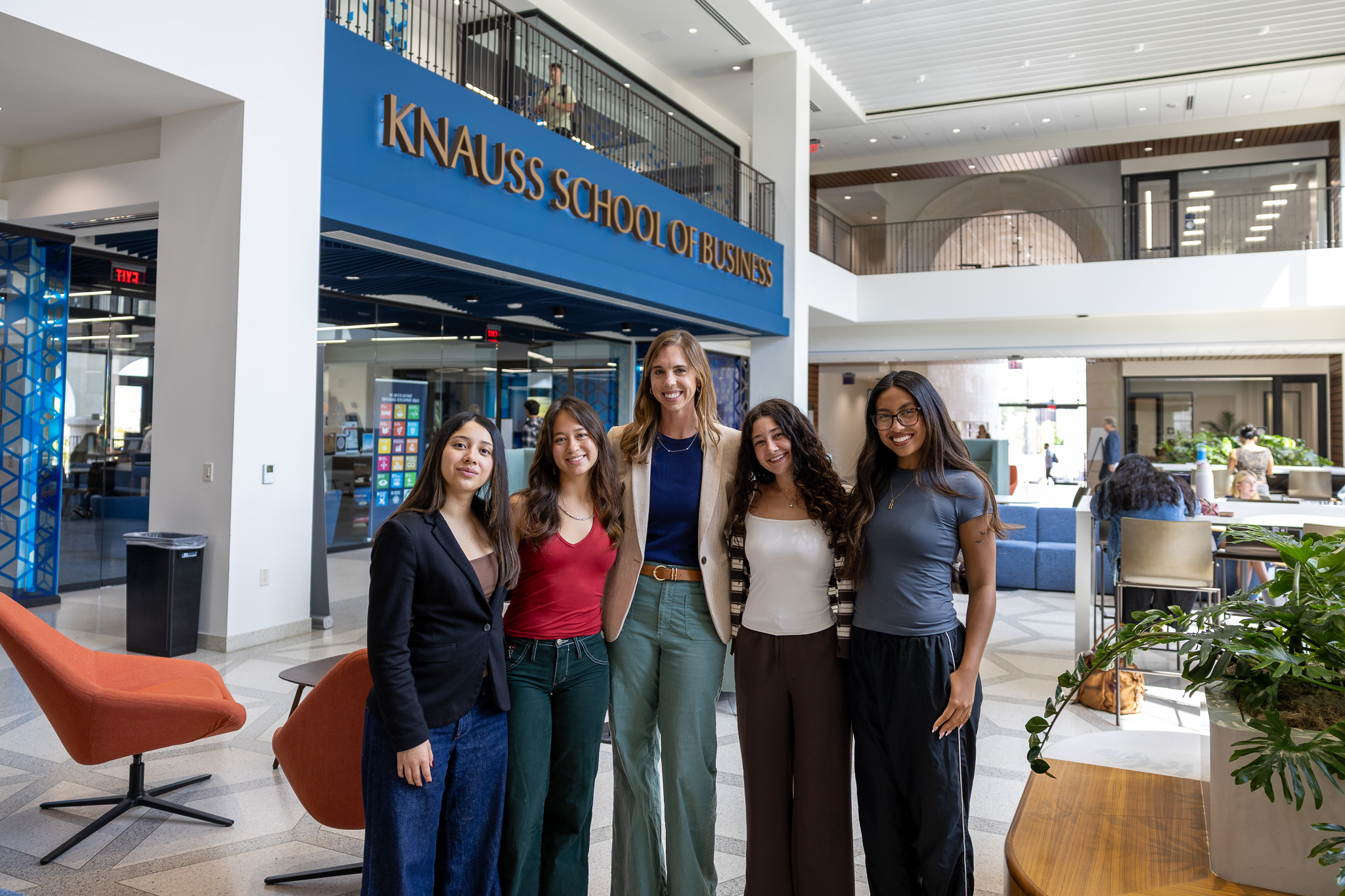
Working alongside my teammates Suraya Farache-Pak, Sandra Santos, and Madeleine Salud was one of the most rewarding parts of the experience, as each of us brought different ideas, perspectives and strengths to the campaign. In March, we competed against nearly 300 student teams from universities across the world, advancing to the top 6 finalists, where we presented an extended version of our campaign to a panel of judges in April. Our team ultimately won the “What’s Trending Award,” which recognized the most unique idea presented during the Spring 2026 Digital Marketing Competition Finals, for our night-mode campaign concept. Receiving this award was incredibly exciting and reaffirmed all of the creativity, strategy, and collaboration our team brought to the competition.
Beyond the competition itself, this experience reinforced my interest in branding and consumer psychology. It showed me how marketing can combine creativity and analytics to create meaningful campaigns. Most importantly, it gave me the experience to work collaboratively in a fast-paced environment and present my ideas directly to industry professionals and clients.