Coronado Mainstreet
The 4-Point Approach


BIG IDEAS.
BOLD SOLUTIONS.


.png)
WHERE VISIONARIES CONVERGE

YOU ARE THE
CHANGEMAKER
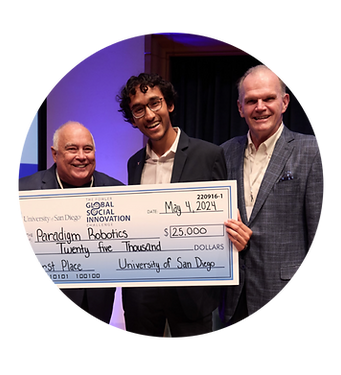
The Fowler GSIC inspires student social entrepreneurs around the world to connect and create business solutions that address social and environmental challenges. Since 2011, we've connected more than 3,000 students from more than 25 countries around the world - including Australia, South Korea, Rwanda, The Philippines, Ghana, Mexico, and Peru - recognizing their outstanding social ventures based on positive impact and financial sustainability. To date, we've distributed more than $700,000 in funding and in kind-services, to seed the most innovative and promising global ventures.
And our goal is to increase that impact!

.png)


BOUNDARIES
PUSHING
HOW IT WORKS
The Fowler GSIC is for the trailblazers, the dreamers, the doers. It was designed for those who can see a solution where others mostly see a challenge. Whether your passion lies in helping alleviate hunger or stopping environmental degradation, the Fowler GSIC invites you to engage with one or more of the UN's Sustainable Development Goals by developing an innovation that responds to an environmental or social challenge at the local or global level.
CREATE A TEAM WITH 1-5 MEMBERS
ANALYZE A SOCIAL OR ENVIRONMENTAL CHALLENGE
PROPOSE AND VALIDATE A POTENTIAL SOLUTION
PITCH YOUR IDEA FOR UP TO $75,000+ IN FUNDING

.png)
.png)

.png)
SOCIAL INNOVATORS
WE ARE LOOKING FOR
PAST INNOVATIONS
CLICK ON AN IMAGE TO EXPLORE


BRING YOUR LIFE-CHANGING IDEAS TO THE WORLD
OUR GLOBAL NETWORK


2011
Since
$1M
Awarded
3,500+
Students
35
Countries
