
Watch
Meet the Journalists
Meet the Journalists is a series of video interviews created to help USD professors and administrators gain better insight into the media. Hear from reporters, editors and producers who cover higher education or rely on faculty experts to provide context to news stories. Watch all eight videos below.
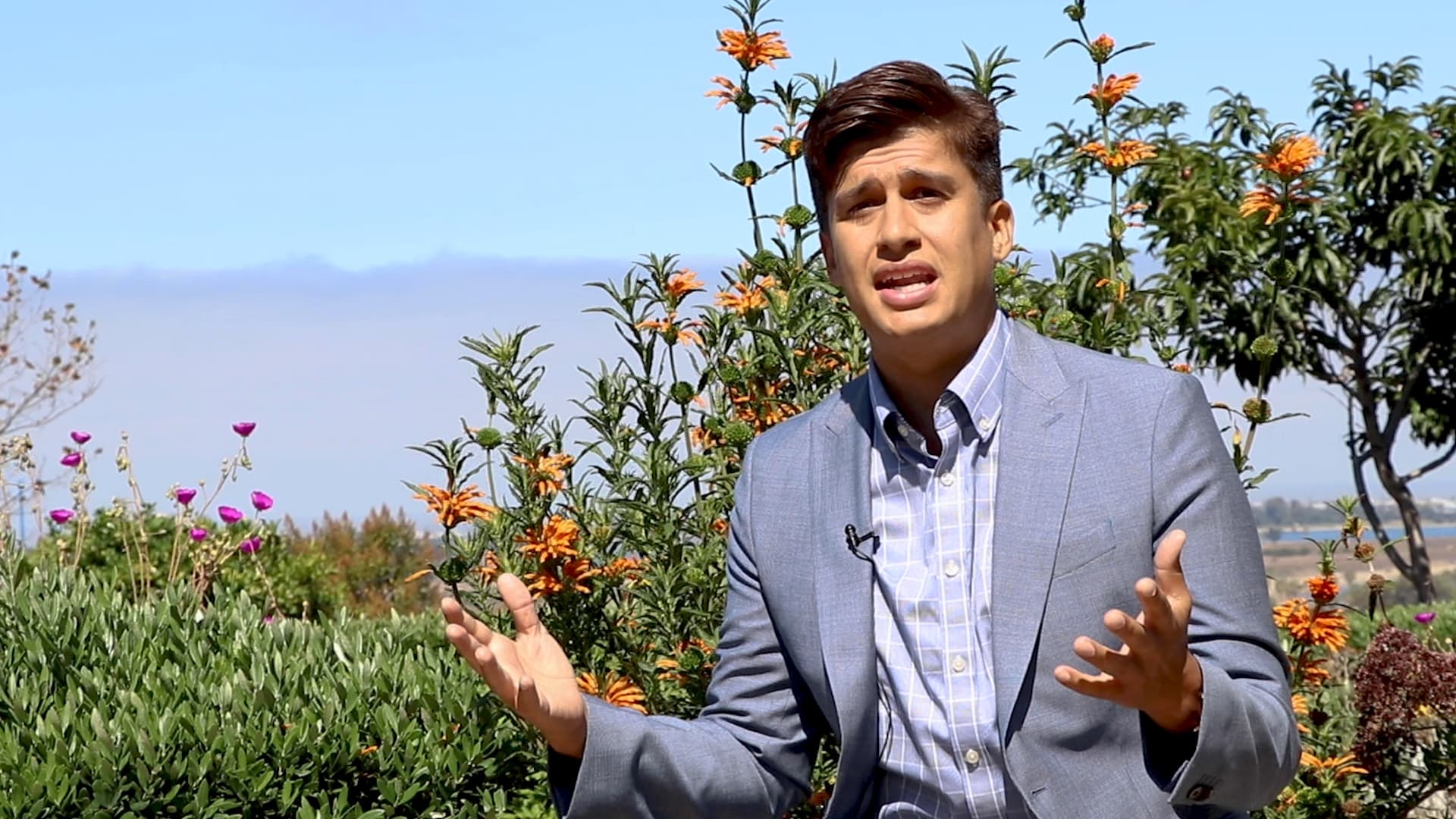
Television
Danny Freeman, NBC 7

Opinion / Op-Eds
Laura Castañeda, Union-Tribune
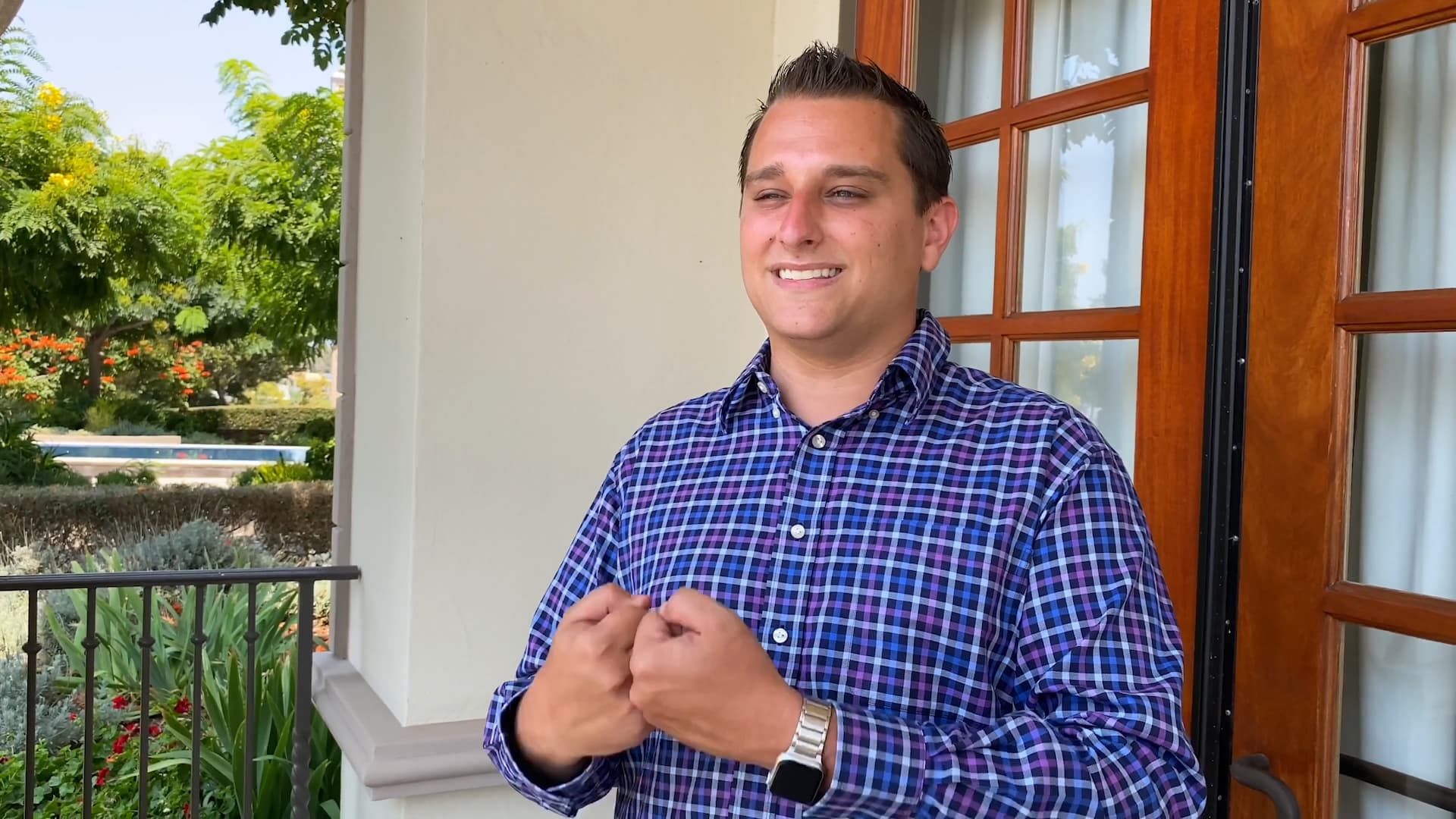
Radio and Television
Matt Hoffman, KPBS, NBC 7
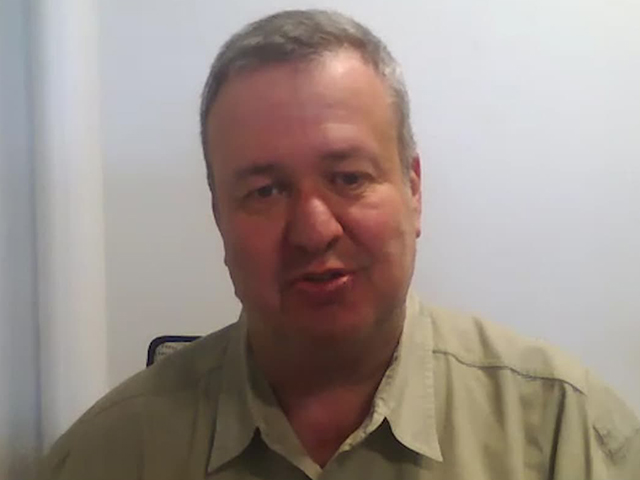
Higher Education, Print and Web
Scott Jaschik, Inside Higher Ed
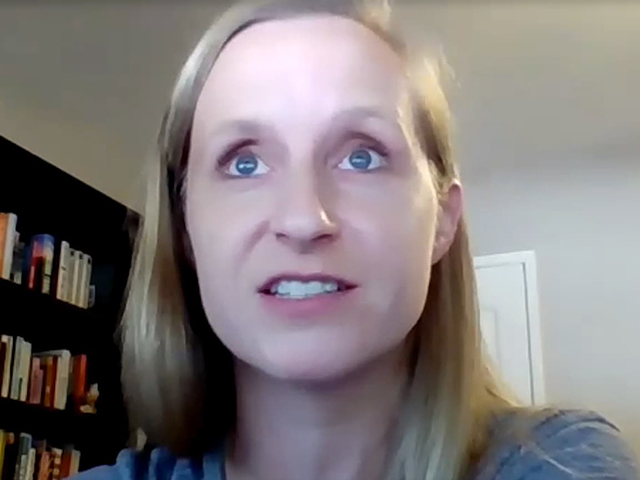
Radio and Podcast
Sara Libby, Voice of San Diego
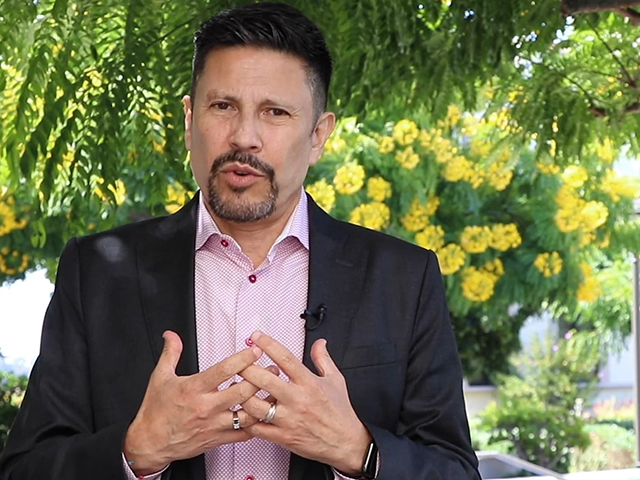
Spanish Television
Sergio Urquidi, Univision
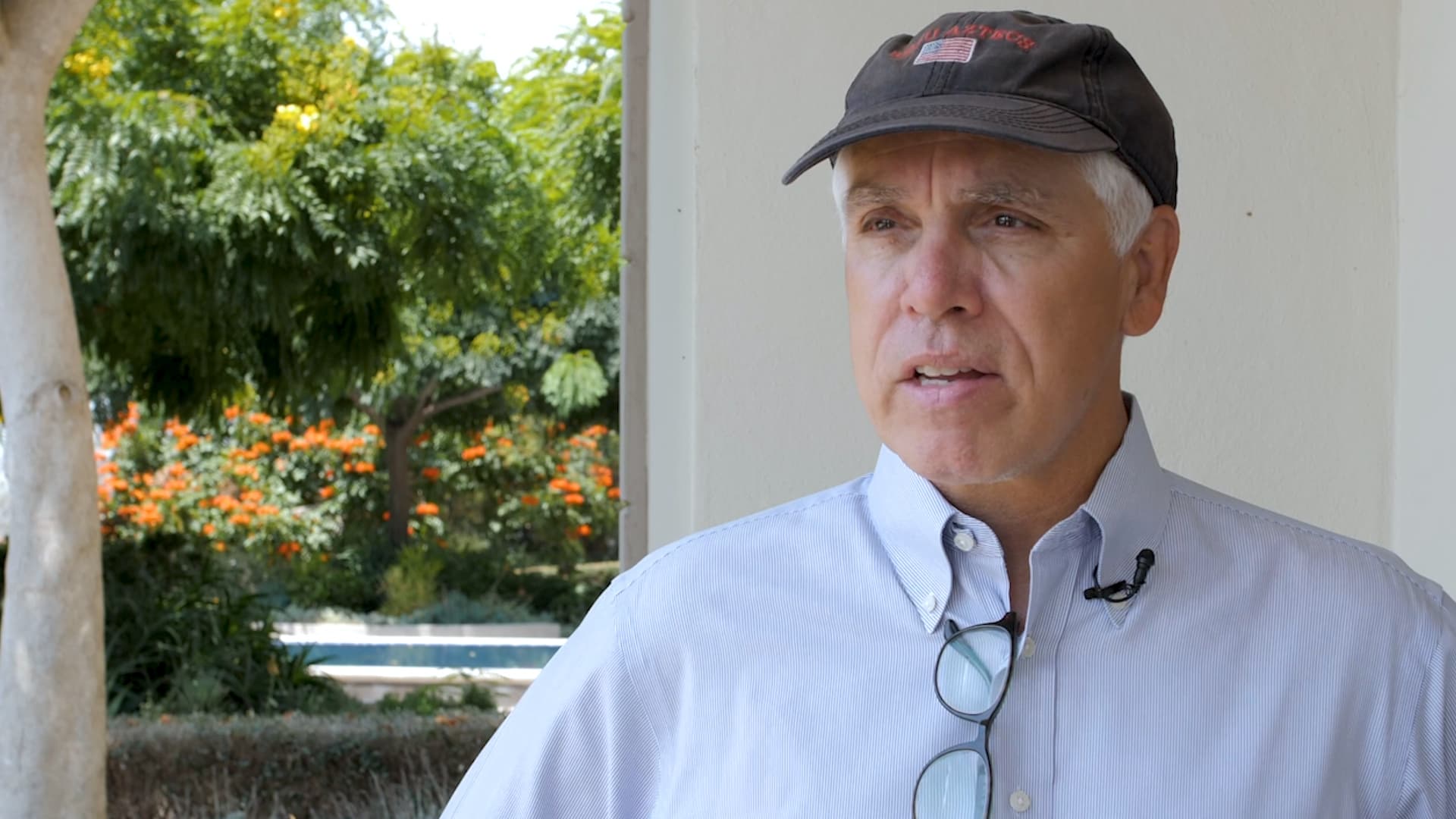
Newspaper, Print and Web
Gary Robbins, Union-Tribune
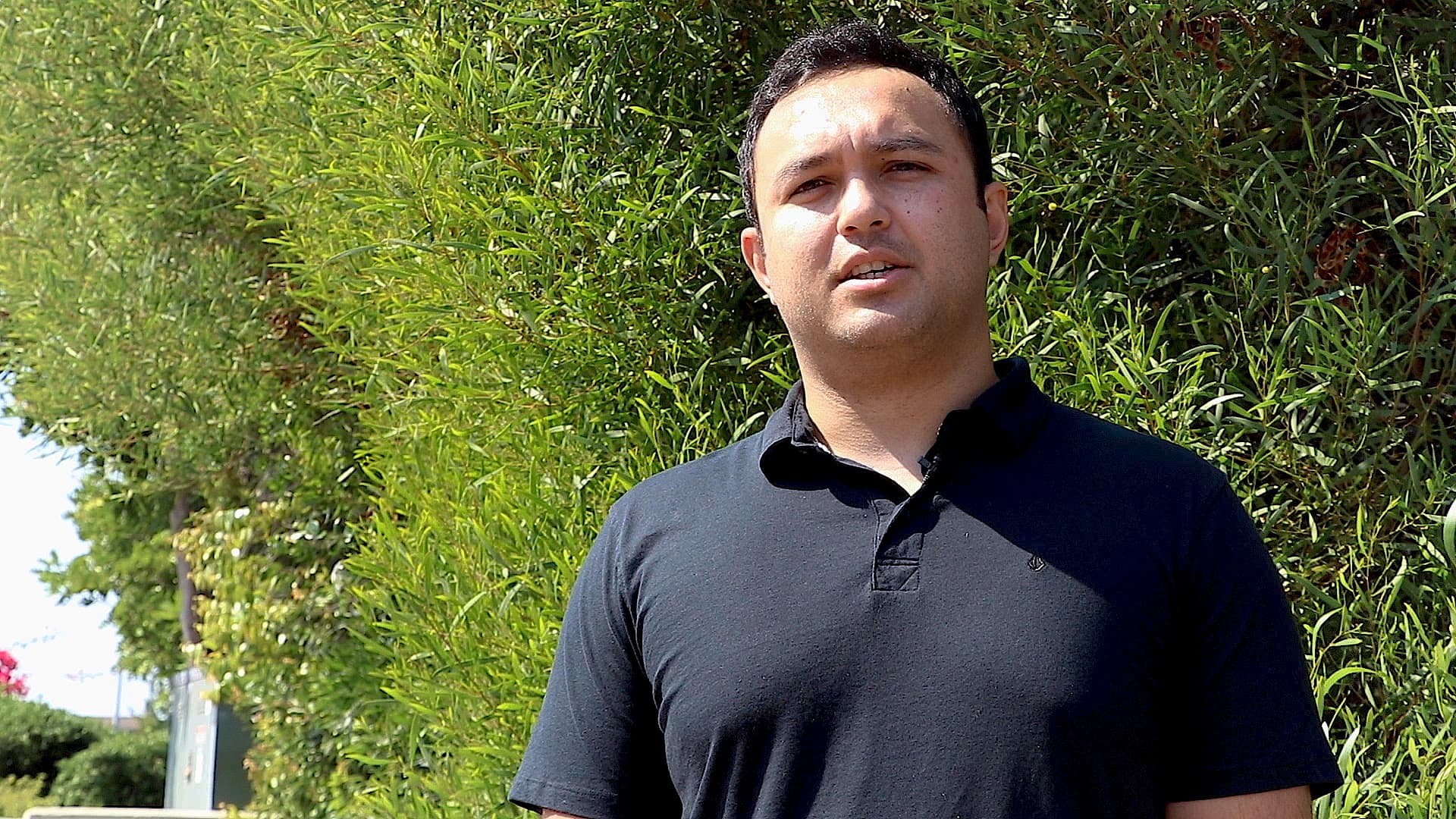
Podcast
Matt Lewis, NBC 7
Talking to the Media
During a Media Crisis or Other Institutional Issue
Faculty and staff are welcome to talk to reporters about topics within their area of expertise. However, when faculty or staff members are asked to comment on an institutional question or an issue that relates to the entire institution, the reporter should always be referred to the Office of Public Affairs. The executive director of public affairs and strategic communications, in cooperation with the associate vice president for University Marketing and Communications, will determine the appropriate spokesperson on behalf of the university. We will refer the reporter to the appropriate source for comment or issue a statement on behalf of the university.
Review Section 2.6 of the University of San Diego Policy Manual for policies regarding contact with the media, filming on university property, guest speakers and political campaign activities.
About Your Area of Expertise
When a member of the news media contacts a faculty/staff member to comment on a topic within your area of expertise (e.g., your academic research or area of academic specialization), you may answer questions immediately. However, if you prefers to give some thought to the questions before answering, or if you have questions about the interview and how to respond, we recommend you take the reporter’s telephone number and return the call as soon as possible. Faculty/staff faced with this situation should consult with a Public Affairs team member who can share information about the reporter, the angle the story is likely to take, other stories the reporter may be researching or writing at the time and any other background information that may be helpful in advance of the interview.
The Office of Public Affairs should always be informed about interviews conducted by faculty and staff, preferably beforehand. Please send an email to press@sandiego.edu in addition to the designated communications staff within your college/school/department. This will help us keep track of our thought leaders and their wonderful work so we can share it with the campus community.
Interview Tips
Preparation is the key to a great interview. View our tips to help you prepare for your media appearance.
Reporting the News
The method of news sharing will be at the discretion of the Public Affairs team and determined on a case-by-case basis in order to maximize publicity for an announcement or event. Tools used by the Public Affairs team include:
Press releases
Press releases are reserved for newsworthy items about the university. When possible, submit information for a press release three weeks in advance and include high resolution photos when appropriate.
Video news releases
So that news releases have the widest reach possible, our team shoots and edits video news releases to send to broadcast media. A video release contains two parts: soundbites from a relevant person and b-roll footage for TV stations to use.
Media pitches
Often our team will choose to “pitch” a story to one or more reporters directly rather than issue a press release. Usually, this one-on-one contact allows us to “sell” the idea to the reporter and provide immediate feedback should the reporter have any questions.
Expert tips
When a current event coincides with a faculty or staff member’s area of expertise, we will suggest that person as an expert to the media. If there is breaking news within your area of expertise and you are available for comment, please contact press@sandiego.edu immediately so that our team can put you in touch with relevant reporters.
Press conferences
There are times when news at the university warrants a press conference. This method of communication is reserved for major university-wide efforts or announcements.
Please remember that the Public Affairs team cannot guarantee media coverage. The publication or airing of a story depends on a variety of factors, including the number of staff available at a media organization to work on a story, space in a publication or air time, the emergence of breaking news or a similar story that has been reported recently.
How Do I Know if My Story Idea Is Newsworthy?
Should you have a news tip or idea for a story, start by contacting the marketing liaison at your college/school/department first. If you would like to contact our department directly, you can email press@sandiego.edu. Even if the item is not deemed newsworthy for external media, University Marketing and Communications may include it on the university’s website or USD’s internal communications outlets.
Generally, journalists rely on the following factors to determine whether a story idea is newsworthy:
- Conflict/Controversy – Are there opposing viewpoints?
- Human Interest – Does the story share something about the human experience? Does it put a human face on a concept, idea, or current event?
- Impact – How does the story affect readers/listeners/viewers?
- Prominence – Does the story include a well-known person, organization, or place?
- Proximity – Is the story local? Can readers/listeners/viewers relate to it?
- Timeliness – Is the story relevant today?
- Unusual – Does the story relay an out-of-the-ordinary experience? Is this the first, last or biggest?
Opposite-Editorial (Op-ed) Pieces
Opposite-editorials (op-eds) are opinion essays written by experts that were traditionally published on the page opposite the editorial page in newspapers. Op-eds provide an opportunity for faculty to use their expertise on topics in the news to clarify or correct what has been reported in the press, to provide a new perspective on the issue or to call for further action.
Publication of op-eds written by faculty can call attention to the quality of USD’s faculty, and by doing so highlight the quality of the university’s academic programs. The Public Affairs team provides assistance in placing op-ed articles in local and national newspapers. By regularly working with op-ed editors, we remain up-to-date on current trends in newsrooms and current contact information for the major op-ed editors.
Op-eds appear in general-circulation newspapers and are designed for all audiences. The writing level of an op-ed page may be slightly above that of news pages (generally seventh to ninth grade level), but not much higher. Op-eds usually have an 800 word limit. Public Affairs can assist faculty by providing editing advice and information about journalistic style. Op-eds need to follow the Associated Press Style Guide and accepted journalistic writing practices, which are different from the requirements of academic journals. The Public Affairs team also can be helpful in suggesting topics, narrowing a topic, editing and other tasks. Email us for assistance at press@sandiego.edu.
Op-ed Resources to Explore
Writing for the general public can be both challenging and rewarding. If you're new to op-eds, here are some resources to help you get started.
- Op-ed Writing: Tips and Tricks (The Op-Ed Project)
- What Academics Misunderstand About ‘Public Writing’ (The Chronicle of Higher Education)
- How to Start Writing for the Public (Inside Higher Ed)
- Scholars Strategy Network - Connecting journalists, policymakers, and civic leaders with America’s top researchers to improve policy and strengthen democracy.
Publicizing Faculty Research Findings
News stories about USD research are read by legislators, citizens, donors and potential funding agencies. Research results can help inform decisions on important public issues. Many grant applications require public outreach and education, and there certainly is a need to improve public appreciation of science and how research benefits society. Popular media coverage makes it more likely research will be seen and cited by other scientists. Finally, popular media coverage of research often results in valuable contacts with potential collaborators.
Much of USD’s national and international publicity comes from coverage of research findings published in peer reviewed journals or presented at major academic conferences. Announcements about grants, appointments and awards rarely get more coverage other than brief mentions in local or hometown newspapers. Public Affairs focuses on research findings rather than general announcements to maximize the likelihood of receiving the broadest spectrum of publicity.
In general, studies that are newsworthy tend to have some relevance to readers, their health and their lives; to society and modern problems; or simply are findings that inspire the common person. However, even some relatively esoteric research has successfully received coverage in trade publications.
If you have a study and are unsure if it could be a news release, send it to press@sandiego.edu. Email your manuscripts as an attachment and include in your email a few sentences in layperson English explaining what you did, what you found and why it is significant.
Send your study to the Public Affairs team soon after you submit it — and immediately upon acceptance. We need time to read your study, interview you about it, draft a press release, have you review it for accuracy, and then issue it to the media to coincide with publication or with an “embargo,” if there is one.
Keep in mind: We do not write press releases on every research project conducted by faculty. To maximize your chances of having a press release written, you must be able and available to explain it in terms understandable and interesting to the news media and the general public.
Major journals like Science, Nature and the Journal of the American Medical Association impose embargoes on papers they are about to publish. An embargo is a specific time and date before which a study may not be publicized. But journals with embargoes allow research institutions to send embargoed press releases to trusted reporters a few days to a week or more prior to the embargo expiring so that reporters have time to prepare stories.
For example, Science is published on Fridays. The journal’s embargo is 2 p.m. (ET) Thursday, the day before publication. Science allows universities to issue press releases on studies under embargo as early as Monday morning prior to publication. To do that, a press release must be drafted, edited and approved by Friday morning a full week before the study is published. This means Media Relations must know about a study at least two weeks prior to publication in order to have a press release ready on time.
Embargoes also are important because they provide a timely “hook” to news stories on studies so the stories can say the study “was published today in the journal X.” Most major media will not publish stories on studies after the online publication dates of those studies, which is why it is crucial to have press releases ready to issue at the time specified by the journal in question.
Many journals do not have formal embargoes. In those cases, it is best to issue press releases a week to a few days prior to a study’s online publication date so it is seen as new and timely by the media.
On the day a news release is issued, and perhaps for a few days afterward — depending on the level of media interest — you must be available to answer media phone calls and emails as quickly as possible. That means in minutes to tens of minutes. The media work under very short deadlines, so a reporter may drop your story and move to something else if they cannot reach you immediately or hear back from you within minutes to an hour at most.
Photos and other illustrations must have resolution adequate for newspaper and magazine publication: at least 300 dpi at a size that might be used in print, at least 4 inches by 6 inches or larger. Photos in jpeg format are preferred. Media generally will not use technical photos with graphs, symbols or legends; unadorned photos are preferred. Photos of researchers should be tightly framed on one or at most two researchers doing something in the lab or field. Most media will not use group photos, so do not submit them.