

NP Tracks for the DNP Degree
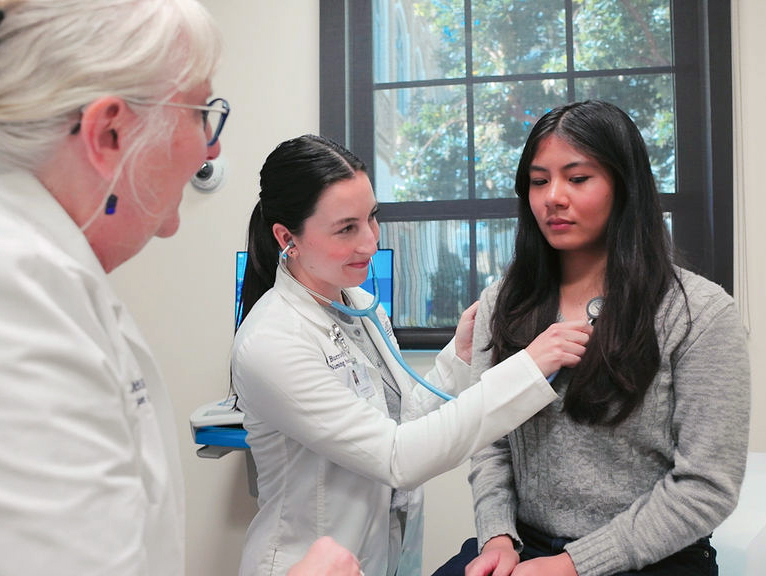
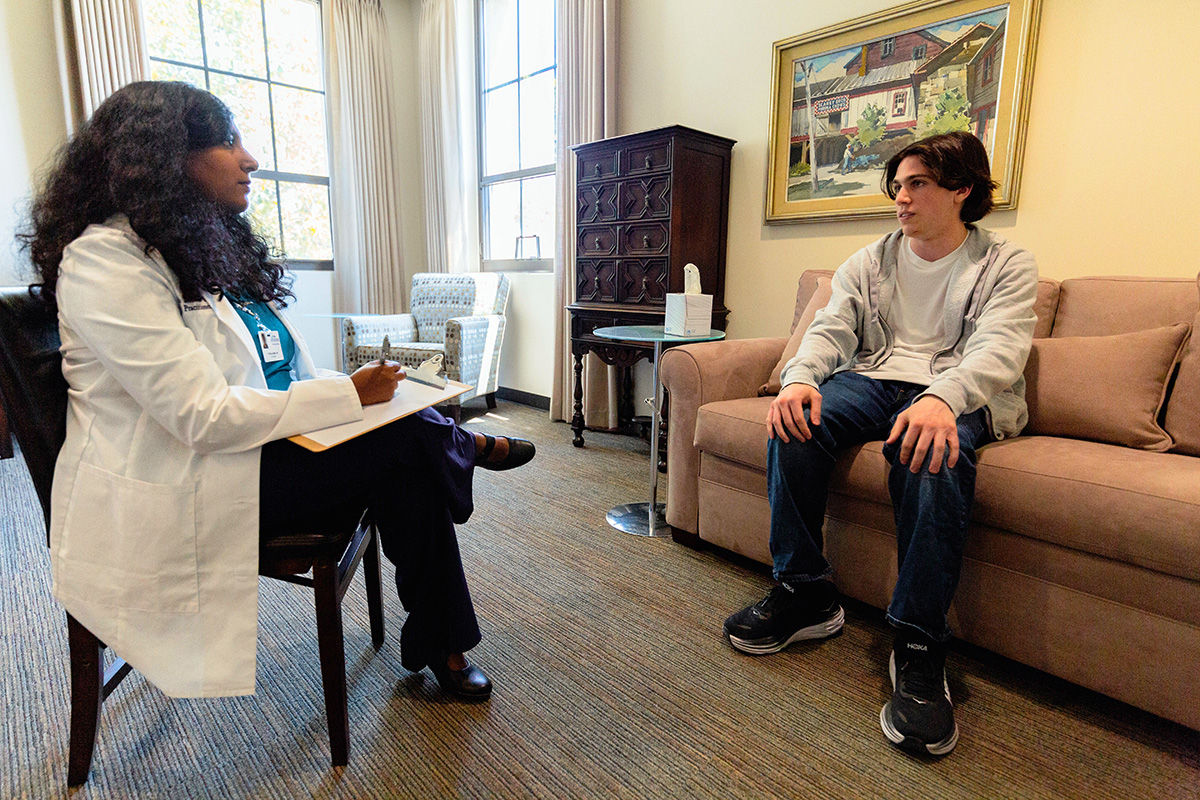
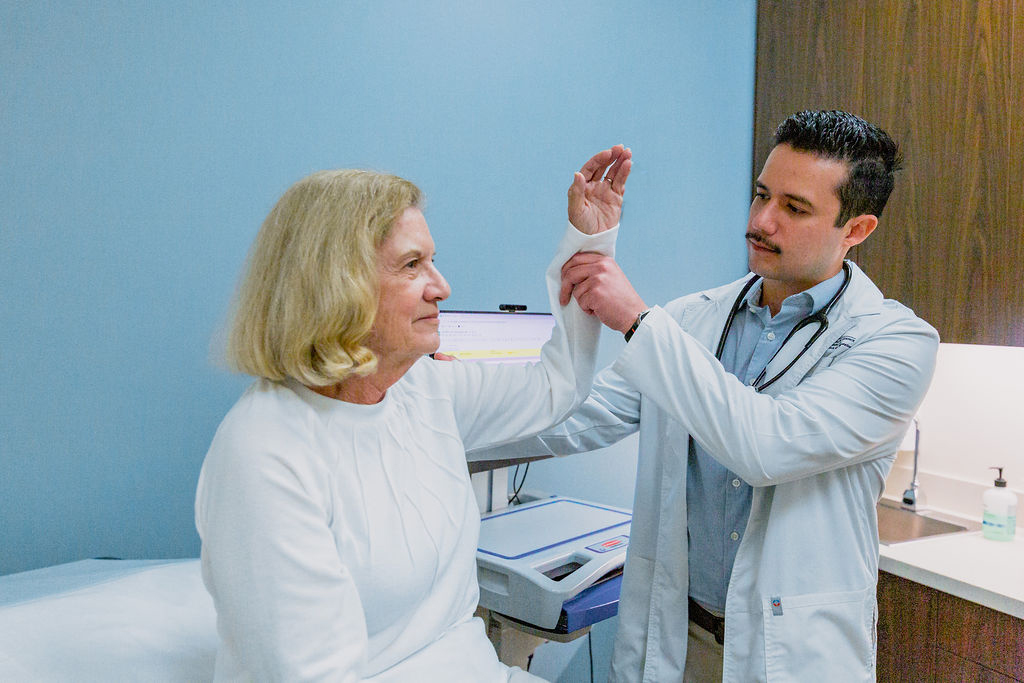
USD offers three population-focused Doctor of Nursing Practice (DNP) tracks that prepare nurses to lead advanced clinical practice, influence healthcare systems, and improve outcomes through evidence-based innovation.
Contact the Program Director
FAQs
Frequently Asked Questions
If you’re wondering about it, others are too!
Both DNP- and MSN-prepared nurse practitioners are eligible for national certification and clinical practice. A Doctor of Nursing Practice program builds on advanced clinical training with a stronger focus on systems leadership, quality improvement, and translating evidence into practice. DNP-prepared nurse practitioners are equipped to lead practice change, improve healthcare delivery, and influence outcomes at both the patient and system level.
A DNP program prepares nurse practitioners for advanced clinical practice while also developing leadership and decision-making skills needed in today’s complex healthcare environment. Students gain experience in evidence-based practice, population health, and healthcare systems, positioning graduates to take on roles that shape care delivery, improve quality, and address evolving patient and organizational needs.
Program length varies based on specialty, enrollment status, and prior education. Many programs offer full-time and part-time options to support working professionals. Students complete advanced coursework and clinical hours, along with a doctoral project focused on improving practice or patient outcomes. Academic planning and scheduling flexibility allow many students to continue working while progressing through the program.
DNP-prepared nurse practitioners practice in a wide range of settings, including primary care, specialty clinics, and healthcare systems. In addition to direct patient care, graduates are prepared for roles in clinical leadership, quality improvement, program development, and healthcare innovation. The DNP degree supports expanded opportunities to lead initiatives that improve patient outcomes and advance healthcare delivery.
A Doctor of Nursing Practice degree is not required to become a nurse practitioner. Nurses can enter practice with a Master of Science in Nursing and obtain national certification in their specialty.
At the University of San Diego, students can follow a step pathway to the DNP. Nurses may first complete a master’s degree in a nurse practitioner specialty and become licensed and certified to practice. They can then return to complete the post-master’s DNP, building advanced skills in leadership, evidence-based practice, and healthcare systems improvement.
This pathway allows nurses to enter practice sooner while continuing their education to the doctoral level.
Explore What's Next
Ready to Get Started?
We’re here to help you take the next step in your nursing career.