
USD Recent News
Top Stories
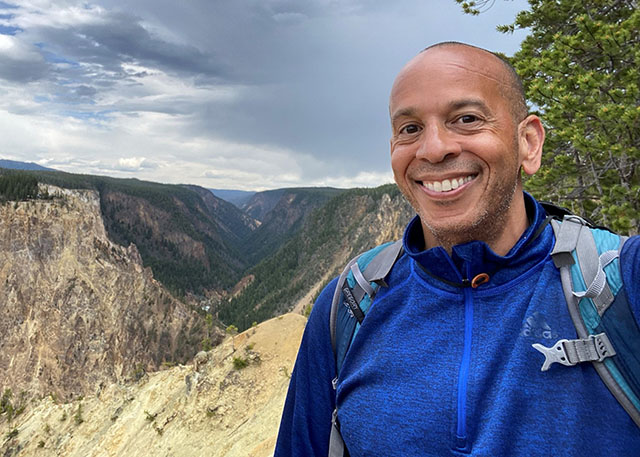
USD Student Phillip Collum Remembered Through Academic Award
University of San Diego’s Division of Professional & Continuing Education has renamed an academic award in honor of the late Phillip Collum, a USD student and Chula Vista Police assistant chief, who died earlier this month following a battle with cancer.

At the Edge of it All Podcast: The Power of Social Innovation in Today's World
"At the Edge of it All" was joined by Andrew Biros, Associate Director of Social Innovation and Entrep…

Bringing the Community Together Through STEM Education From USD to Carson Elementary
On a beautiful Spring afternoon just over a mile from the University of San Diego campus, a whole new world opened up for dozens of USD students. Laug…
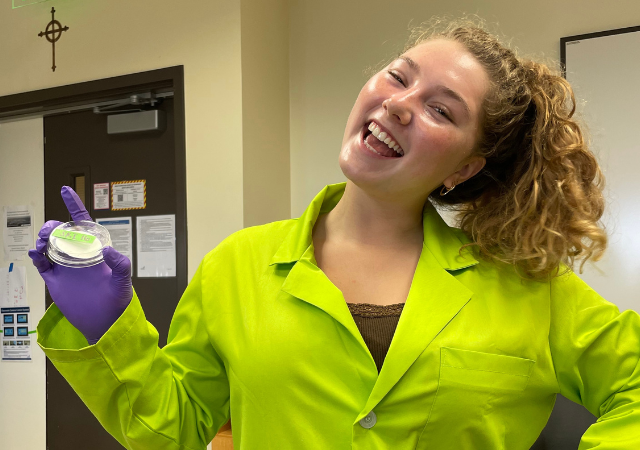
Research in Rewind: How Mussels Can Teach Us About Microplastic Pollution
The impact of plastic pollution on marine ecosystems and its implications for human health is a growing concern. A recent study from Science states th…

Watch: USD News Minute for April 22
USD News Minute: What you need to know this week at USD…
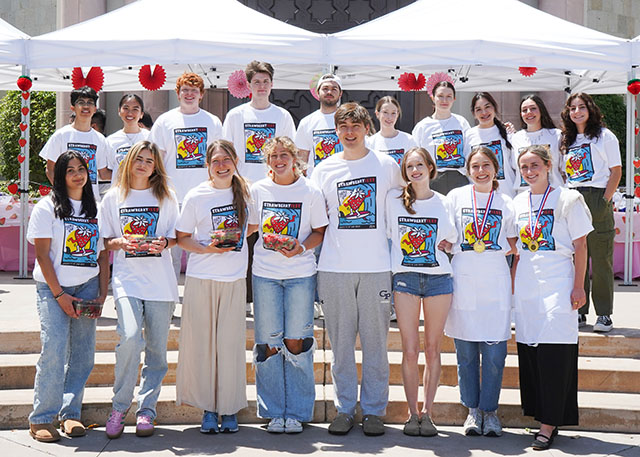
The Berry Best
A record number of student employees participated in a salad-building contest Thursday afternoon during the University of San Diego’s Annual Str…
Encouraging Technological Innovations that Shape the Future
It all starts with an idea—one that is encouraged, cultivated, and given the space to thrive. At the University of San Diego (USD) Shiley-Marcos…

At the Edge of it All Podcast: Just You and the Course: A Cross Country Coach on Lessons from Running
In competitive running, one person wins and others come up short, so how do you measure success? Long…
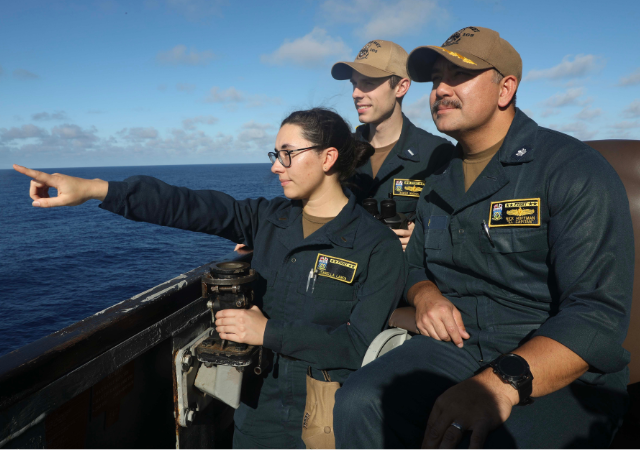
USS Dewey’s Torero Trio Leads with Pride and Precision
Sundays are for sports. Even in the middle of the Pacific Ocean.…
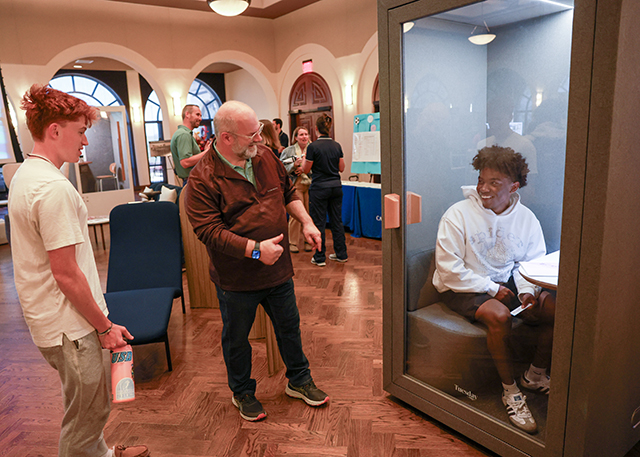
University Operations & Student Affairs Partner for Wellness Center Open House
University Operations and Student Affairs co-hosted an open house event to promote the highly-anticipated new Wellness Center and Basketball Practice …
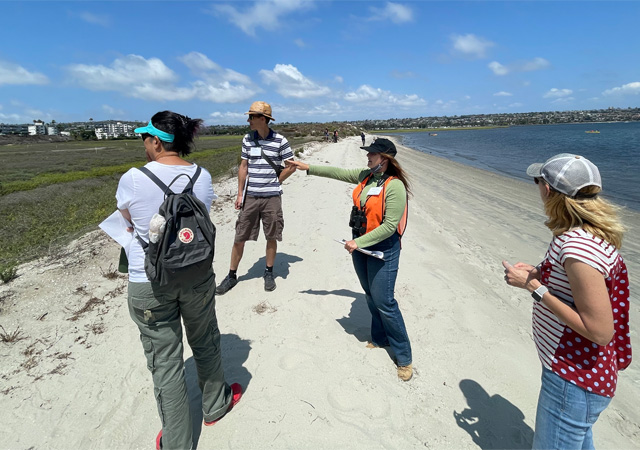
Research in Rewind: Access to a Life-Giving Resource
It’s a sunny summer day in America’s finest city. A group of educators, students, government officials and community partners watch a floc…
Watch: USD News Minute for April 15
USD News Minute: What you need to know this week at USD…
At the Edge of it All Podcast: A Former White House Communications Director on Crisis Management
Crisis management is about preparation. That's one of the big takeaways from our talk with Corinne Hoare, …
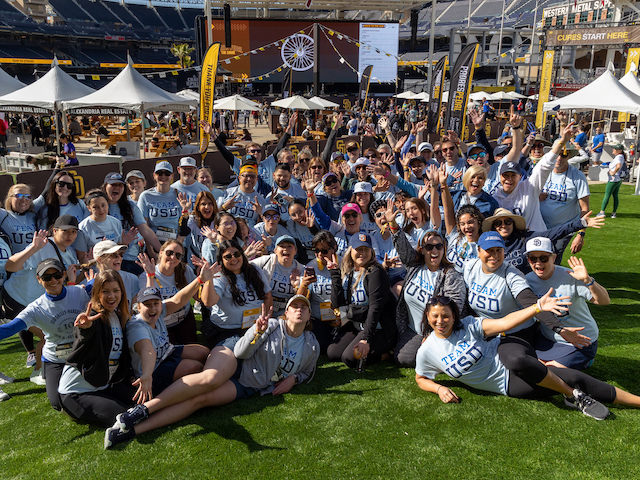
A Labor of Love
One of the key mantras of the University of San Diego’s 75th Anniversary Anthem is “to lead with love.” On a brilliantly blue Sunda…
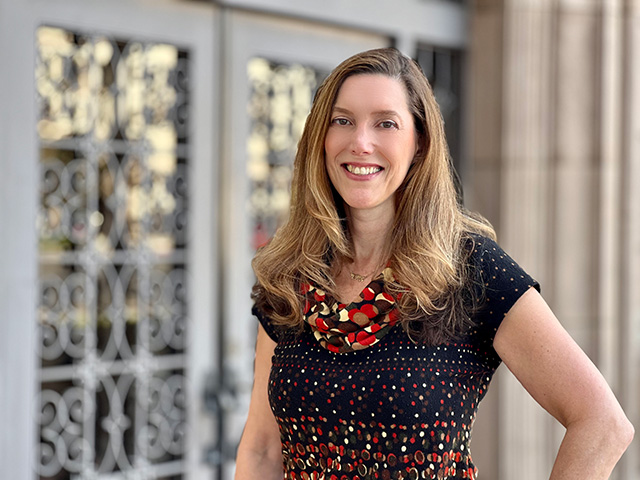
Children's Advocacy Institute's Amy Harfeld Appears on CBS Sunday Morning on Preserving Foster Youth Federal Benefits
University of San Diego (USD) School of Law Children’s Advocacy Institute’s (CAI) Amy Harfeld, National Policy Director and Senior Staff A…

CAS Introduces Embedded Ethics Certificate to Help Students Navigate Ethical Frontiers of Technology
In response to the growing ethical complexities accompanying the rapid advancement of technology, the Department of Philosophy at the University of Sa…
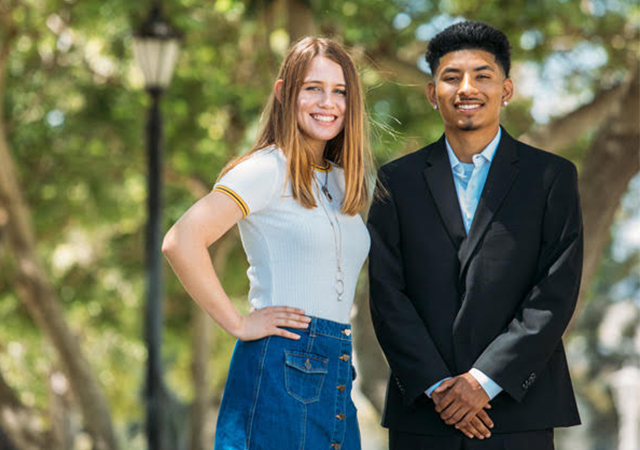
Research Month Rewind: PURE Success for First-Year Students
Research is debatably the height of academic pursuit. Through systematic investigation and study, research holds the promise of establishing facts and…

Video: USD in the News Highlights for March 2024
Watch a 3-minute highlight video of USD's appearances in the media for the month of March 2024.…
Watch: USD News Minute for April 8
USD News Minute: What you need to know this week at USD…
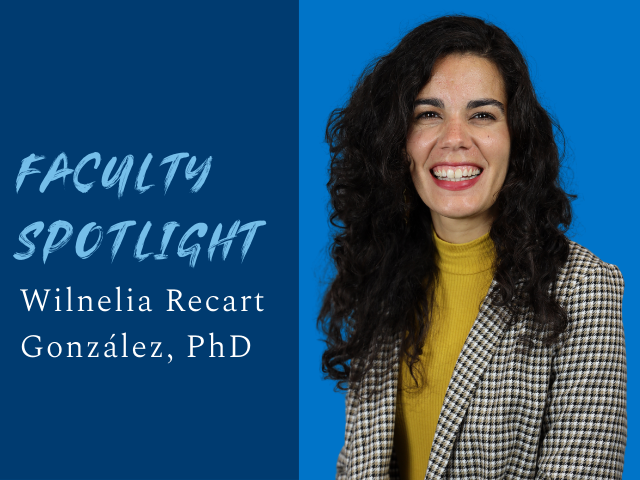
Assistant Professor of Biology Leverages Interdisciplinary Interests to Encourage Scientific Discovery
For Assistant Professor Wilnelia Recart González, PhD, one of the best ways to understand science is through art. This semester, she organized …

New School of Law Website Launches
The University of San Diego (USD) is proud to announce the launch of its new School of Law website on Thursday, April 4. This milestone event not only…
At the Edge of it All Podcast: Power and Influence in the Workplace
Craig Barkacs, professor of business law, joined "At the Edge of It All" to talk about his career path, which in…
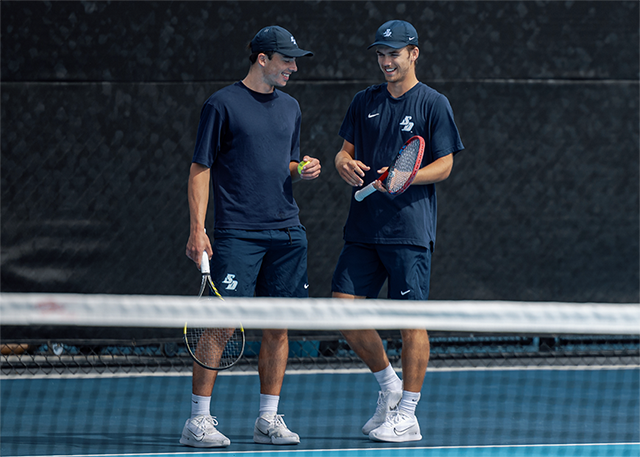
Athletics: Sophomore Duo Keeping No. 13 Men’s Tennis Hungry and Humble as WCC Play Arrives
For the No. 13 USD men's tennis team, they've been focused on being hungry, but also humble while competing against some of the best teams in the coun…
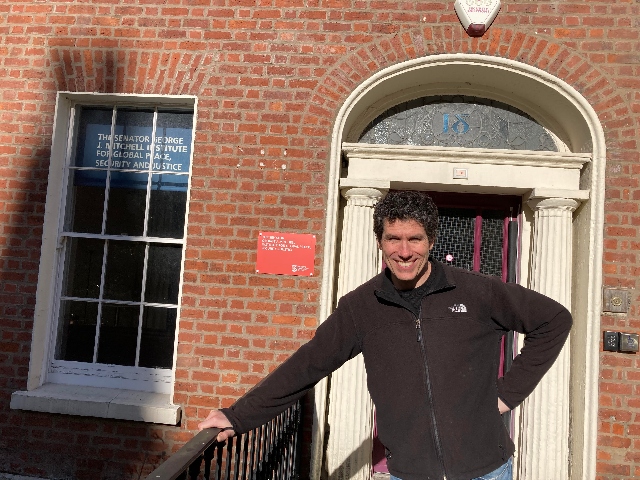
Darren Kew Named New Dean of the Joan B. Kroc School of Peace Studies
The University of San Diego is pleased to announce the appointment of Darren Kew, Ph.D., as the new Dean of the Joan B. Kroc School of Peace Studies, …
Watch: USD News Minute for April 2
USD News Minute: What you need to know this week at USD…
Celebrating 10 Years of Research at USD
Welcome to Research Month 2024 at the University of San Diego! Research Month is an annual opportunity to showcase the diversity of topics and project…

Coach Brandon Moore: Measuring Success
To understand how San Diego Football Head Coach Brandon Moore measures success, you have to understand what makes him tick.…
At the Edge of it All Podcast: How Protecting Trademark Rights in Common Phrases Can Harm Free Expression
This week, “At the Edge of It All” was joined by USD law professor Lisa Ramsey, an expert on tra…

Meet USD's Fowler Global Social Innovation Challenge Finalists: Buni.AI
In the vibrant realm of social innovation, where technology meets human ambition, remarkable ventures emerge to challenge and reshape our world. My jo…
Watch: USD News Minute for March 25
USD News Minute: What you need to know this week at USD…